High Stakes Presenter training for the moments you cannot afford to fumble.
High Stakes Presenter is the training built for presentations where the downside is real: board meetings, investor pitches, leadership updates, and keynotes that have to move a decision. If you searched for a presentation proposal, you are probably not looking for generic public speaking tips. You are looking for a way to keep smart leaders from rambling, overloading the room, losing confidence, or failing to move the decision that actually matters.
- Board and investor presentations that are technically solid but do not land.
- Subject matter experts who know too much to present simply.
- Leadership teams that sound prepared on paper but uncertain in the room.
Most presentation failures are not content failures. They are decision failures in disguise.
A company can spend weeks on slides, data, messaging, and stakeholder alignment, then still lose the room because the presenter sounds too dense, too cautious, too long-winded, or too detached from what the audience actually needs in order to say yes.
That is where this work is different. High Stakes Presenter is not about turning someone into a polished speaker for its own sake. It is about helping leaders present in a way that creates clarity, confidence, and momentum when the audience is weighing a real decision.
Sometimes the pain is obvious: a founder who keeps data-dumping instead of persuading, an executive who sounds less certain than they are, or a subject matter expert who answers with complexity when the audience needs direction. Sometimes the pain is subtler: people understand the content, but they still do not act.
When the room tunes out
Your content may be sound, but if it is not shaped for attention, memory, and action, even important material gets lost.
When leaders over-explain
Brilliant people often make the same mistake: too much context, too many slides, and not enough forward motion.
When confidence drops under pressure
The message changes when scrutiny enters the room. Rehearsal has to account for that pressure, not ignore it.
When the ask is weak
A presentation that informs but never moves the audience toward a decision is expensive theater.
What High Stakes Presenter means here.
A proposal-worthy training approach, not a recycled workshop.
- Decision-first messaging: we shape the presentation around what the audience must understand, remember, and do.
- Pressure-tested rehearsal: the leader practices under conditions that are closer to the real moment, not a safe theoretical version of it.
- Executive presence in context: delivery, pacing, structure, and Q&A are coached around the actual room, not an abstract stage persona.
- Support that helps it stick: the work is meant to survive beyond one day, especially when another high-stakes presentation is around the corner.
Best fit
Board presentations, investor pitches, analyst briefings, internal rollouts, strategy updates, keynote appearances, conference sessions, and other moments where weak delivery has real cost.
How it can be delivered
In person or virtual, one-on-one or with a small leadership team, often built around a real presentation already on the calendar.
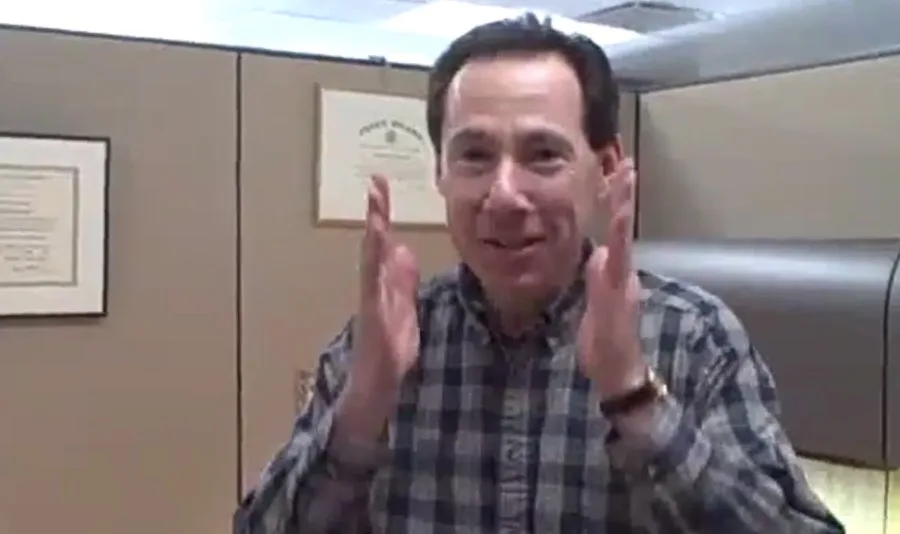
A result worth hearing in the middle of the proposal.
Questions companies ask before requesting a proposal.
No. General presentation training is broader. This page is for the higher-stakes version, where the room matters more, the downside is bigger, and the communication standard has to be higher.
Yes. That is often the best use case. The training is strongest when it can be tied to an actual board meeting, investor pitch, keynote, strategy update, or executive communication moment.
Founders, C-suite leaders, senior executives, subject matter experts, and teams that need to present with more clarity, authority, and persuasive force.
Use the quote form. Share what presentation is coming up, who needs support, and how urgent the need is. That is the fastest way to turn this into a real proposal.
Request a proposal before your High Stakes presentation gets closer.
If the presentation already matters, preparation probably matters more than anyone in the room wants to admit. Let’s scope the training around the actual audience, decision, and pressure you are facing.