
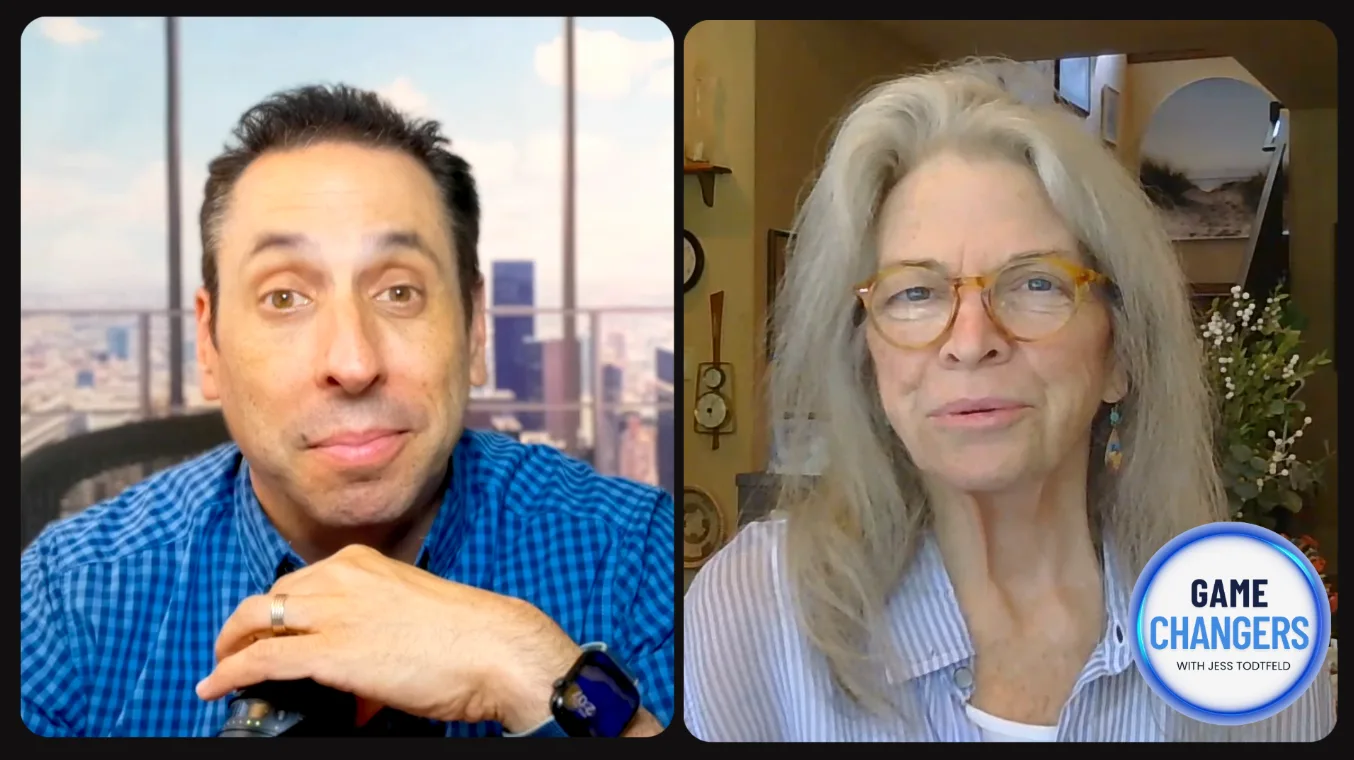
If your heart is pounding before a media interview, that pounding is a normal stress response, not a signal that something is wrong. Take one slow breath, move your focus off yourself and onto the audience you are about to help, and remember you are simply having a conversation. The pounding settles the moment you start delivering value. In this case study, Dr. Deb Carlin, a psychologist and author, describes doing exactly that in a freezing early morning studio.
Deb is not a first-time spokesperson. She holds a PhD in psychology, she has advised people through their hardest moments for decades, and she is the author of Build the Strength Within. She is exactly the kind of accomplished expert who could assume the camera would come easily. And still, when she got into the studio, her body reacted the way almost everyone's does.
Why does your heart pound before a media interview?
Because your body is responding to a story you are telling yourself, not to any real danger. A camera is not a threat. But if part of you is treating it like one, your heart rate, your breathing, and your adrenaline all answer the alarm. It was early in the morning, Deb had had a bit too much coffee, and the first thought was the familiar one: oh my gosh, now what am I going to do, I have to unwind this.
Then she did something simple and smart. She asked herself a question: what would Jess say if he were here? And the answer she landed on was, take it easy. That small reframe is the whole move. You are not in trouble. You are having a strong physical reaction to a moment that, in reality, is completely safe.
What do you do the moment the nerves hit?
Here is what I want people to remember, especially the ones who show up with all the right preparation, all the exercises, all the systems, and still feel their heart pounding. It is a normal human stress response. It is okay. It means you are alive. Once we have established that, we can do what we came to do.
So in the moment, the sequence is short:
- Name it as normal. Do not fight the feeling or add a second layer of panic about being nervous. Nerves mean you are alert and you care.
- Take one deep breath. A single slow breath tells your body the alarm was a false one.
- Ask two questions. What was I going to say, and how can I help the audience as best I can? That pulls your attention off yourself and onto your message.
That is it. You are now in the right zone. This happens because it turns out we are all human. It has happened to me too, and it happens to seasoned pros. The difference is not that trained speakers stop feeling it. It is that they know what it is and what to do next.

The reframe that changes everything: it is just a conversation
One of the things Deb valued most was how simply the whole thing could be understood. Strip away the equipment and the lights and you are having a conversation. So what if the cameras are on? It does not change what is actually happening between two people talking.
It also helps to notice how much time you already spend on camera without a second thought. How many selfies have you taken? How many video calls have you been on? Those are with people you actually know, the ones you might reasonably feel self-conscious around. The total stranger interviewing you is there because you are the expert. They want your knowledge. There is genuinely nothing to worry about.
And the feeling almost never matches the reality. You are on for a flash. It seems, under the hot lights, like you are up there sweating for an eternity, but you are not. That is the disconnect at the heart of interview nerves: the way it feels inside and the way it actually looks to the audience are two very different things.
Give the audience what they want
The last piece is the one that quietly dissolves the rest of the nerves. The people watching want to be watching. They chose to tune in. They want to hear what you have to say. So the job is not to survive the segment. It is to give them something good, and to help them relax.
When your attention is on serving the audience, the small worries about your hair, your voice, and your pounding heart lose their grip. You are no longer the subject of the moment. The audience is. That shift, from self-consciousness to service, is the engine behind everything else, and it is one of the first things we build in executive media training.
Hear it from Dr. Deb Carlin
In this short conversation, Deb describes the studio moment in her own words, from the pounding heart to the calm she carried into the segment.
About Dr. Deb Carlin
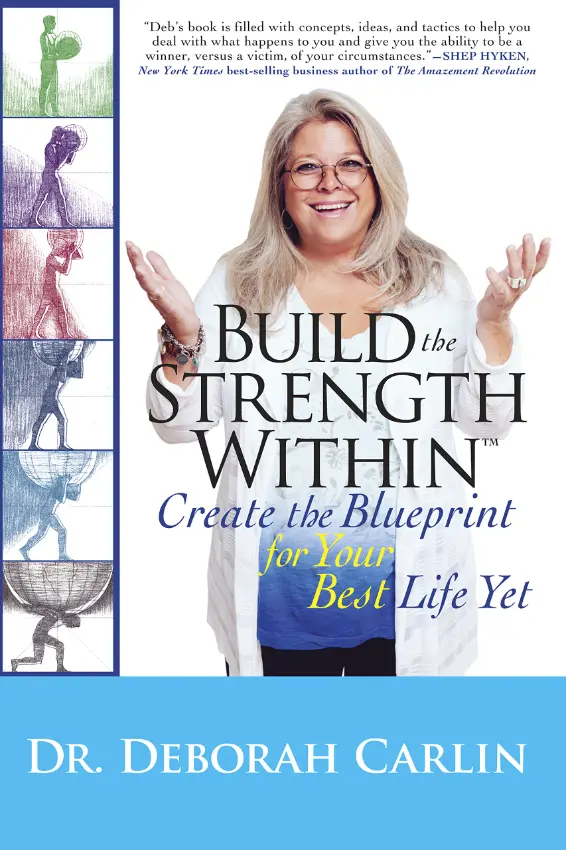
Dr. Deb Carlin is a psychologist, strategist, and author of Build the Strength Within: Your Blueprint. She used her media training to promote the book across radio, television, podcasts, and print. You can find her book and her work by searching Build the Strength Within on Amazon or by searching for Dr. Deb Carlin online.
- It is a normal stress response. The pounding means you are alert and alive, not that something is wrong.
- Breathe once, then refocus. One slow breath, then ask what you were going to say and how you can help the audience.
- It is just a conversation. The cameras do not change what is happening between two people talking.
- You are on for a flash. The way it feels inside almost never matches how brief and calm it looks to viewers.
- Serve the audience. They want to be watching. Give them something useful and help them relax.
If you recognize yourself in Deb's story, the prepared expert whose body still reacts the second the light turns on, that is exactly who media training for executives is built for. For the fuller picture of what a session looks like, read what executive media training really teaches you and our guide to how to prepare for a media interview.