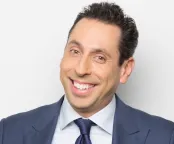
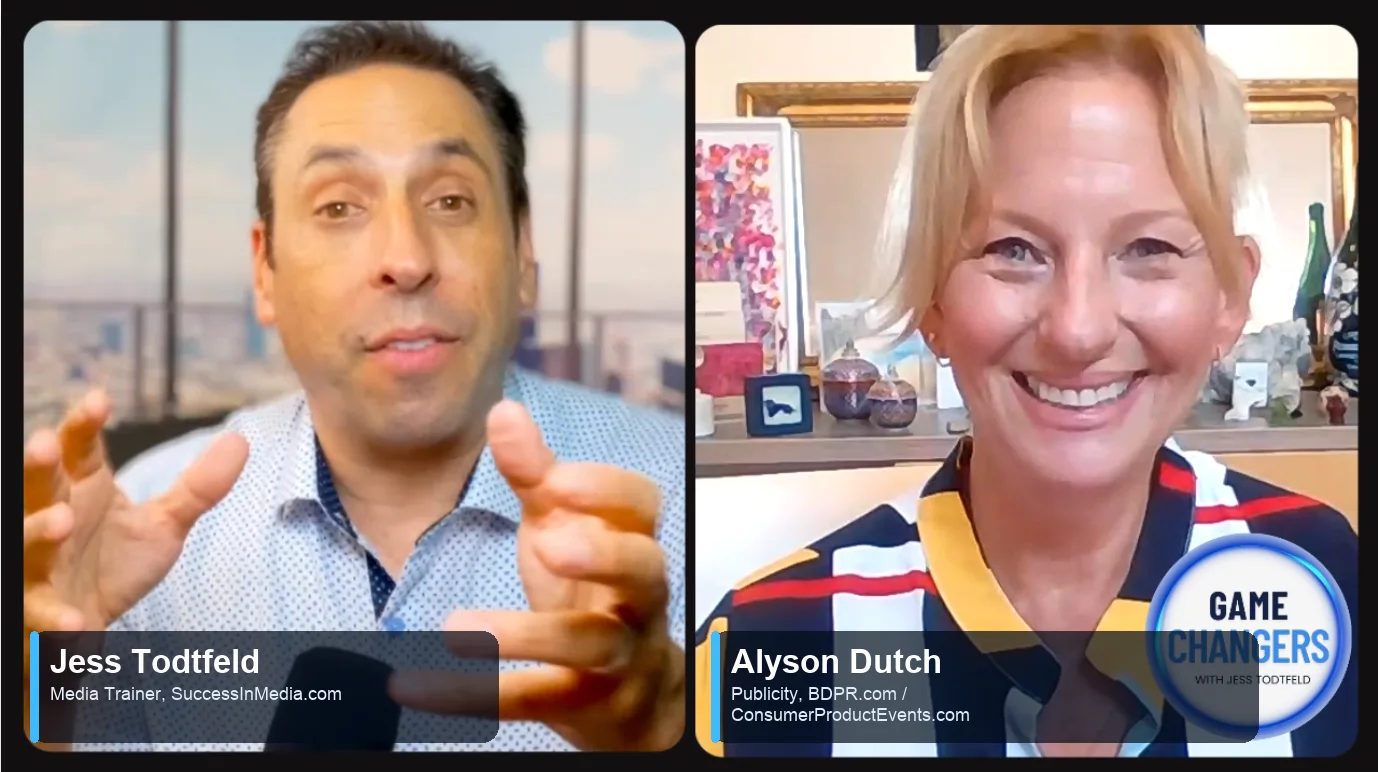
Media training for doctors teaches accomplished physicians to get to the point, hold to a short set of core messages, and stay on track when a camera is running. The best proof is not a trainer describing it. It is a veteran publicist, someone who has put products and experts in the media for more than 30 years, explaining why she will not send her doctors on camera until they have trained first.
Alyson Dutch runs Brown & Dutch PR and Consumer Product Events. Over her career she has placed brands from Think Thin to Mrs. Fields, and she has watched hundreds of experts step in front of a lens. When she took on a campaign for 1MD Nutrition, a supplement company built around a group of doctors, each behind a different formula for heart, gut, brain, and prostate health, she knew exactly what she was up against. Brilliant people who had spent years creating these blends, and none of that brilliance guaranteed they would be ready for a camera.
Why would a 30-year publicist hire a media trainer?
Because getting the coverage is only half the job. The other half is making sure that when the expert finally gets the microphone, the message the whole campaign was built on actually comes out of their mouth. That is a separate skill, and Alyson treats it as non-negotiable. She brought me in to work with the doctors, sent over the messaging in advance, and then did something a lot of clients do not: she stayed in the room for all of it.
That instinct is the mark of a publicist who has been burned before and never wants to be again. She has stood behind a live camera with cue cards, mouthing "this, this, this," to keep a client on message. She has stepped physically in front of a lens to end an interview that was going somewhere it should not. When someone with that much scar tissue insists on training her experts first, it tells you what she has learned the hard way: on camera, hope is not a plan.
Why are doctors the hardest people to put on camera?
Of every kind of expert we prepare, doctors are consistently the toughest, and it is for a reason that sounds like a compliment. They know too much, and they want to share all of it. In a short interview, that generosity works against them. They nail the first answer, and then they keep going, layering in caveats and detail until the point they came to make is buried three sentences deep.
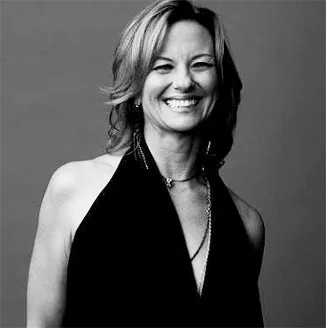
I spent 13 years as a producer at NBC, ABC, and Fox, and I saw this from the other side of the glass. The experts who struggled were rarely the ones who knew the least. They were often the ones who knew the most and could not choose what to leave out. Afterward they would say the interview felt like an out-of-body experience, that they had no idea what they actually said. Meanwhile the publicist in the green room is pulling out every last hair. The fix is not more information. It is discipline.
What does the training actually change?
When we come in, we build a platform, so the same information goes out over and over, with a lot of deliberate repetition. For the 1MD doctors, that meant a shared structure every one of them could stand on. Each doctor learned to open with the same lead-in line before their own answer: "I believe in the power of nutrition." That is not a natural sentence for a physician to lead with, which is exactly why we drilled it until it was.
- One lead-in line everyone opens with, before their personal answer
- Two or three core messages, repeated until they stick
- Pre-cleared topics from the reporter, plus a short outline for the expert
- On-camera practice with immediate playback, so the message survives a live camera
The rest of the system is built the same way: two or three core messages, a strong lead-in, and repetition until it clicks, because people usually have to run it over and over before it really sets in. For longer formats like podcasts, we review what the reporter plans to cover in advance and hand the expert a simple outline of two or three things to keep in mind. None of it is about scripting a robot. It is about giving a brilliant person a rail to hold so their expertise arrives intact.
Why train the doctors together, in one room?
There is a reason we did this as a group and not five separate sessions. When several experts train on the same platform at the same time, the others in the room become a live focus group. A doctor tries the new lead-in, delivers a message, and hears immediately from peers whether it landed and whether anything important got lost. That peer feedback, layered on top of the coaching and the on-camera playback, is what makes a team consistent. They walk out with one shared set of messages, not five personal styles.
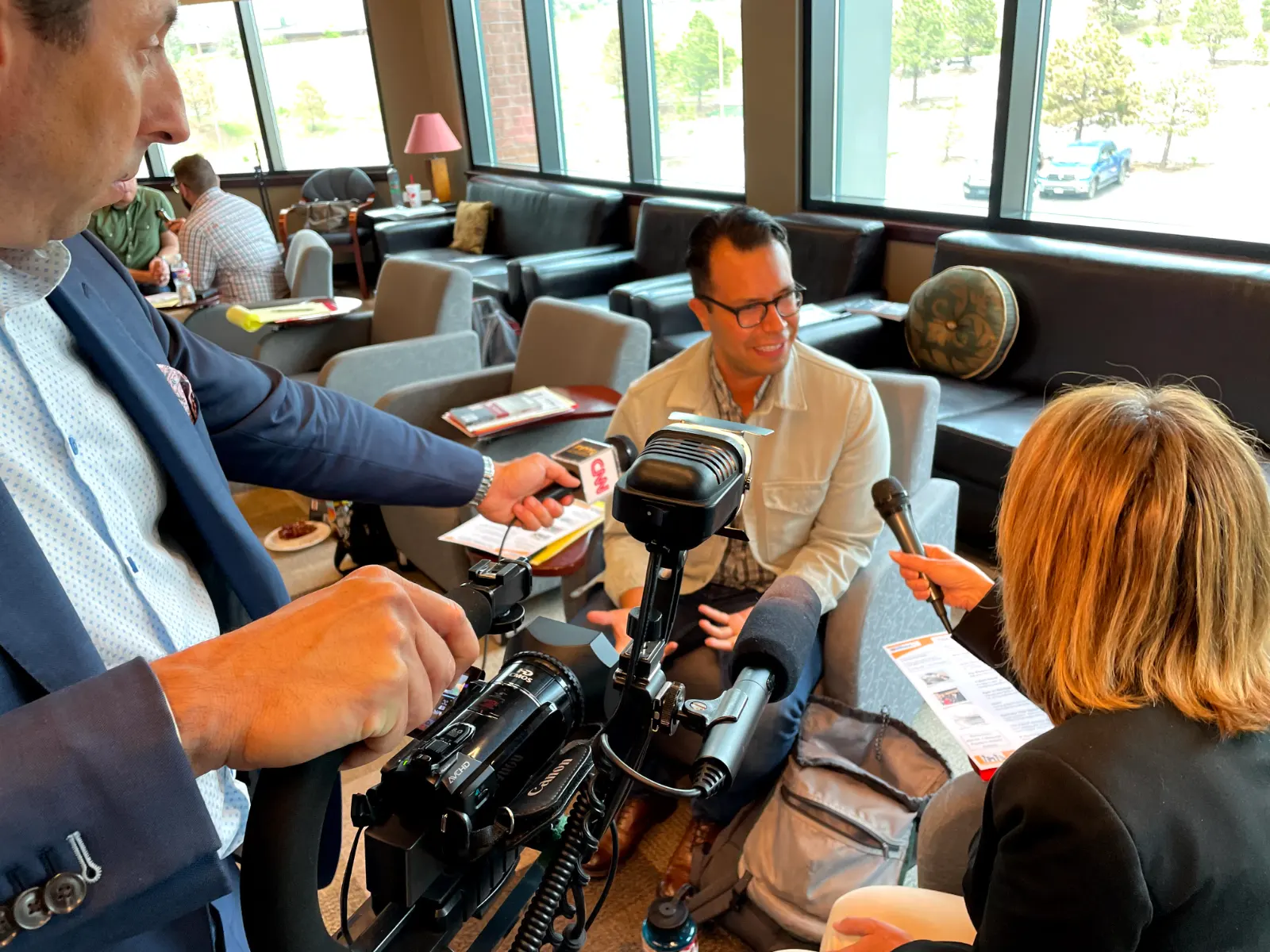
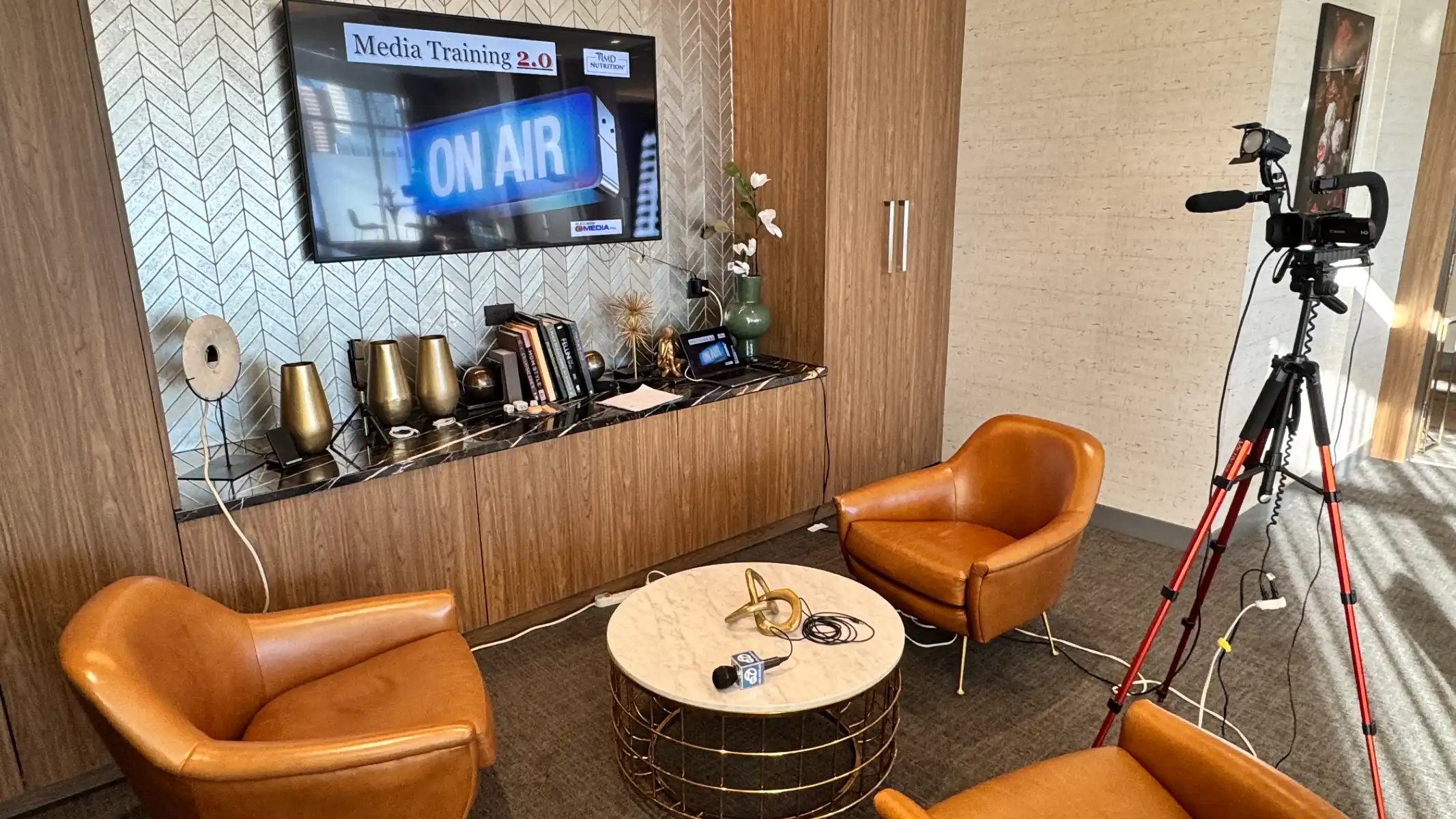
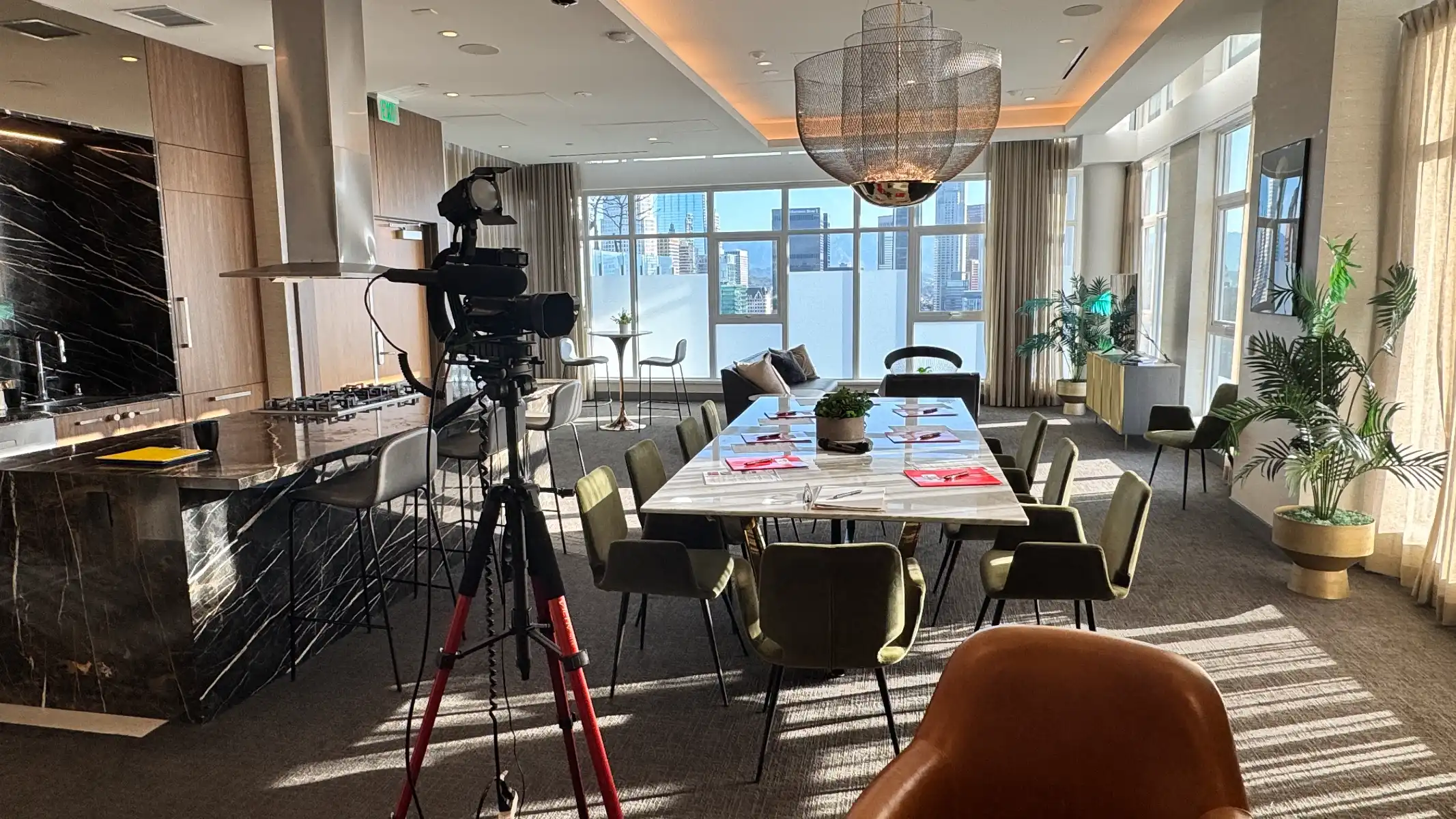
That kind of hands-on, in-room work is the heart of the training, and it does not have to happen in one place. We run sessions on-site, in studios, and live over video, wherever a team happens to be. A lot of that in-person work happens on the coasts, including media training in Los Angeles, where a group can get real camera reps and watch themselves back in the same afternoon.
Hear it from Alyson Dutch
Alyson and I sat down to talk through the 1MD Nutrition campaign, why experts are the hardest people to prepare, and what it really takes to keep a client calm and on message. Here is the conversation.
What made the difference: the message survived the camera
Strip away the tactics and here is what the training bought Alyson: certainty. When her doctors walked onto a set, she was not hoping the message would come out right. She had watched each of them deliver it, on camera, under pressure, enough times that it held. That is the difference between a spokesperson who recites information and one who actually connects, and it is the difference between a campaign that scatters and one that lands the same message every time.
A good publicist is the calm in the storm, absorbing the chaos so the client does not have to. Training is what lets her stay calm. She is not managing five unpredictable performances. She is managing five prepared experts who know their lead-in line, their core messages, and how to get to the point. That is what media training for healthcare experts is really for.
- Expertise and on-camera skill are two different skills. A medical degree does not make the camera easy. That gap is trainable.
- Doctors over-explain. They get the first answer right, then keep going. A short, disciplined platform fixes it.
- One lead-in, a few core messages, repetition. That is what keeps a message intact under pressure.
- Train the team together. Peers act as a focus group and keep everyone consistent.
- Practice on camera. The message has to survive a live lens, not just a rehearsal in your head.
If you lead a practice, a hospital, or a company built around medical experts, this is the exact problem media training for doctors and media training for healthcare are built to solve. And if you want to see what a session looks like before you commit, our guide to what media training is and what it includes is a good next read.