Media training is professional coaching that teaches executives, spokespeople, and public figures how to communicate effectively with journalists, perform confidently on camera, and deliver their organization's message clearly in any media interaction. It combines message development, on-camera interview practice, and feedback from experienced media professionals to transform nervous or unprepared communicators into polished, strategic spokespeople. Whether you are facing a live television interview, a podcast appearance, or a press conference during a crisis, media training gives you the skills to stay in control of your message.
If you have ever watched an executive stumble through a television interview, dodge a straightforward question, or deliver a rambling answer that buried the actual point, you have seen what happens without media training. And if you have watched a leader calmly navigate a hostile line of questioning, land a memorable sound bite, and walk away with coverage that perfectly served their organization's goals, you have seen what media training makes possible.
This guide covers everything you need to know about media training: what it involves, who needs it, how to choose a provider, and what kind of results you can realistically expect.
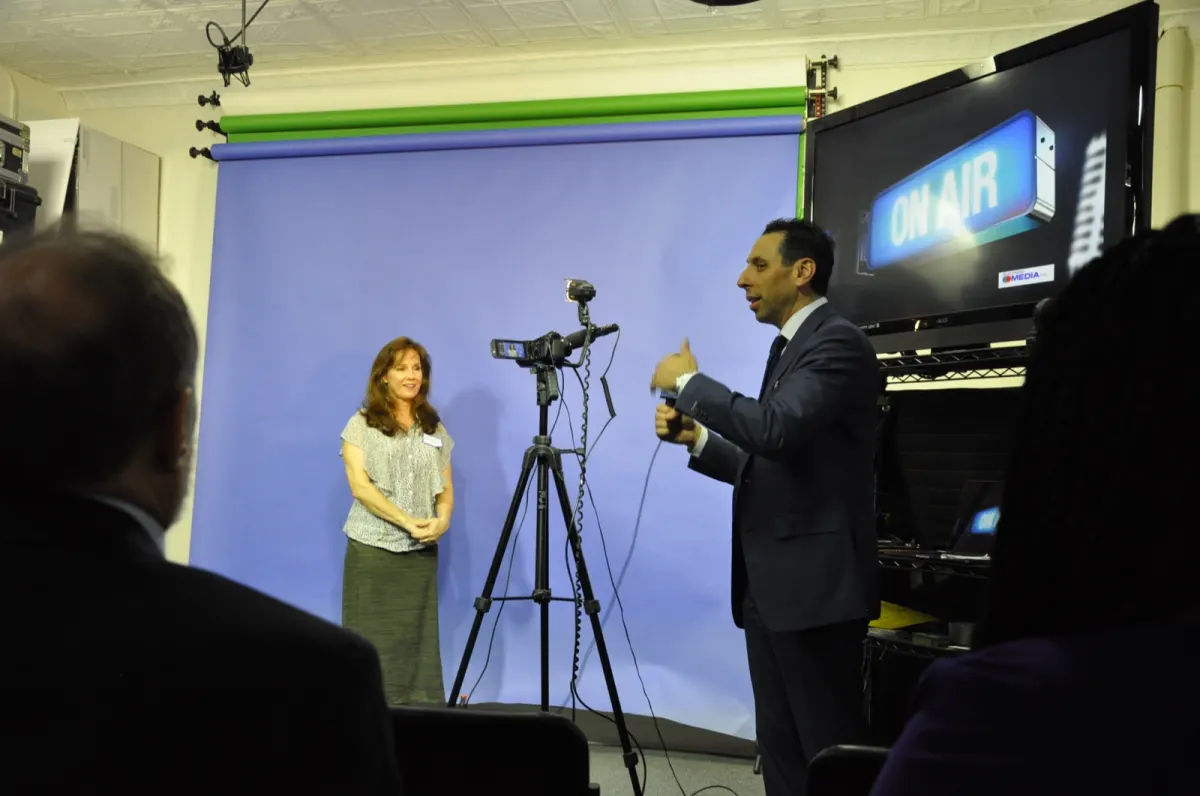
Why Do Executives Need Media Training?
The business case for media training has never been stronger. In a media environment that operates around the clock, where a single interview clip can go viral within minutes and where journalists, analysts, and social media audiences parse every word, executives who communicate poorly create real business risk.
Consider the stakes. A CEO's performance in a post-earnings media appearance can move stock prices. A poorly worded response during a product recall can escalate a manageable incident into a full-blown reputational crisis. An executive who appears evasive or defensive on camera signals to customers, investors, and employees that something is wrong, even when it is not.
Media training addresses these risks by building a set of practical communication skills:
- Message discipline -- the ability to deliver your key points clearly, regardless of what questions are asked
- On-camera presence -- confident body language, eye contact, and vocal delivery that signal credibility
- Bridging techniques -- methods for redirecting from hostile or off-topic questions back to your message
- Sound bite construction -- crafting concise, quotable statements that journalists will actually use
- Crisis communication readiness -- the ability to respond quickly and appropriately when things go wrong
These are not soft skills. They are strategic capabilities that protect and advance your organization's interests every time you interact with the media. Companies that invest in executive media training consistently outperform their peers in earned media quality, spokesperson confidence, and crisis resilience.
Beyond risk mitigation, media training creates opportunities. Executives who can deliver a compelling interview become valuable assets for their organizations. They attract positive coverage, build industry authority, and open doors to speaking engagements, board positions, and thought leadership platforms that drive business growth.
Jess is arguably the best media trainer in the country. He's intelligent, creative, engaging, thorough, all my clients that have worked with him love him! Bruce Bobbins, Executive Vice President, DKC
Ready to see how media training can strengthen your leadership communication?
Get DetailsWhat Does a Media Training Session Include?
A professional media training session is not a lecture. It is a hands-on, intensive workshop that puts you in front of the camera and pushes you to perform under realistic conditions. Here is what a typical full-day session looks like.
Message Development Workshop
Every effective media appearance starts with clear messaging. Before you go anywhere near a camera, you will work with your trainer to develop three to four key messages: concise, compelling statements that capture exactly what you want your audience to take away. These messages become your anchor throughout any interview. No matter what questions come your way, you will always have a clear destination to steer toward.
Understanding the Media Landscape
Good media training includes education on how journalists think, what they need, and how news decisions get made. When you understand that a reporter is working under deadline pressure and needs a 12-second sound bite, not a five-minute monologue, you start communicating in a way that serves both your interests and theirs. This understanding is what separates executives who get favorable coverage from those who get misquoted.
On-Camera Interview Simulations
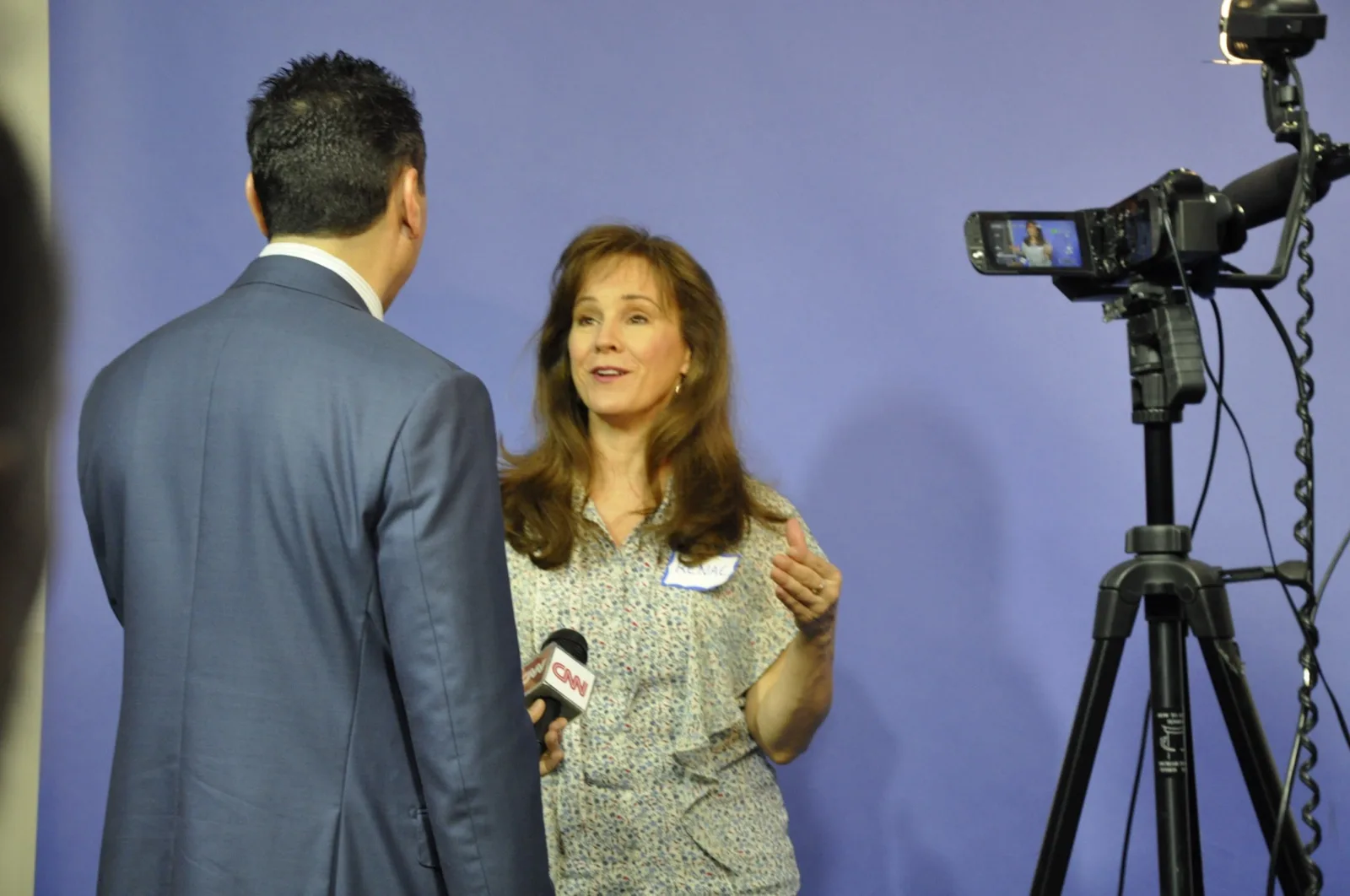
This is the core of any serious media training program. You will participate in multiple simulated interviews, typically conducted by your trainer playing the role of a journalist. These simulations escalate in difficulty, starting with straightforward questions and progressing to adversarial, gotcha-style questioning. Every simulation is recorded on video.
Video Playback and Coaching
After each simulation, you will review the footage with your trainer. This is where the real transformation happens. You will see your body language habits, filler words, eye contact patterns, and message delivery from the audience's perspective. Your trainer provides specific, actionable feedback that you immediately apply in the next round of practice.
Jess gave me easy to use strategies to change my appearance. I realized how body language was influencing my message. Michael S. Jensen, President, AIG Europe
Bridging, Blocking, and Flagging Techniques
Media training teaches a toolkit of techniques for managing difficult interview situations. Bridging lets you acknowledge a question and transition smoothly to your key message. Blocking helps you decline to answer inappropriate questions without appearing evasive. Flagging signals to a journalist that you are about to say something important and quotable. These techniques are practiced repeatedly until they become natural.
Crisis Scenario Practice
For executives in senior roles, crisis communication training is essential. You will practice responding to breaking news scenarios, hostile press conferences, and ambush interview situations. This preparation ensures that when a real crisis hits, your instincts are trained rather than panicked.
Types of Media Training
Media training is not one-size-fits-all. Different situations call for different programs, and the best training providers customize their approach to your specific needs.
Executive Media Training
One-on-one or small group training for C-suite and senior leaders. Focuses on high-stakes interviews, earnings calls, shareholder communications, and building a public leadership profile. Learn more about executive media training.
Crisis Communication Training
Prepares spokespeople to communicate during organizational crises. Includes developing holding statements, managing hostile press conferences, and coordinating messaging with legal teams. Learn more about crisis training.
Spokesperson Training
For designated media spokespeople, PR professionals, and communications staff. Covers interview techniques, message consistency across multiple appearances, and handling different media formats from print to live broadcast.
Presentation Skills Training
Focuses on keynotes, conference presentations, panel discussions, and internal communications like town halls and all-hands meetings. Builds stage presence, storytelling ability, and audience engagement. Learn more about presentation training.
Virtual Media Training
Delivered over Zoom or similar platforms. Ideal for busy executives, geographically distributed teams, or organizations preparing spokespeople specifically for video call interviews, which now make up a significant portion of media appearances.
Industry-Specific Training
Tailored for specific sectors like healthcare, financial services, technology, or energy. Incorporates industry terminology, regulatory considerations, and the specific media landscape your spokespeople will navigate.
Want the shortcuts? Get 7 Media Interview Secrets free
Jess pulled seven of the most useful interview techniques from his producer years into one short guide. Enter your name and email and he will send it to your inbox. Submitting also opens the guide in a new tab so you get instant access without leaving this article. Prefer to skip the form? Go straight to 7 Media Interview Secrets.
How to Choose a Media Training Provider
Not all media trainers are created equal, and the difference between a great trainer and a mediocre one is significant. Here is what to evaluate when selecting a media training provider.
Real Media Experience
The most effective media trainers have actually worked in newsrooms. They have been on the other side of the camera, making editorial decisions about who to interview, what clips to air, and how to frame stories. A trainer who spent years as a television producer for major networks brings a fundamentally different level of insight than someone who learned media training from a textbook. They know what makes a journalist lean in and what makes an editor cut your segment. That insider knowledge is what makes their coaching transformative rather than theoretical.
Track Record with Senior Executives
Training a first-time spokesperson is very different from coaching a Fortune 500 CEO. Make sure your trainer has extensive experience working with leaders at your level. Senior executives need a trainer who can challenge them, not someone who will be intimidated by their title. Look for a provider who has trained hundreds of executives across different industries.
Customization
Avoid providers who run the same cookie-cutter program for every client. Your media training should be tailored to your industry, your specific media challenges, and your individual communication style. The best trainers research your media landscape and prepare realistic scenarios drawn from your actual business context.
On-Camera Practice with Professional Feedback
Any program that does not include extensive on-camera practice is not real media training. You should spend the majority of your session time in front of the camera, not listening to slides. Video playback with expert coaching is where behavioral change happens.
Ongoing Support
Look for providers who offer pre-interview coaching and refresher sessions. Media skills, like any skill, benefit from reinforcement. The best training relationships are ongoing, not one-and-done.
Looking for a media training provider with 13 years of TV production experience?
Get a Quick Quote Get DetailsWhat Results Can You Expect?
Executives who invest in professional media training consistently report measurable improvements across several dimensions.
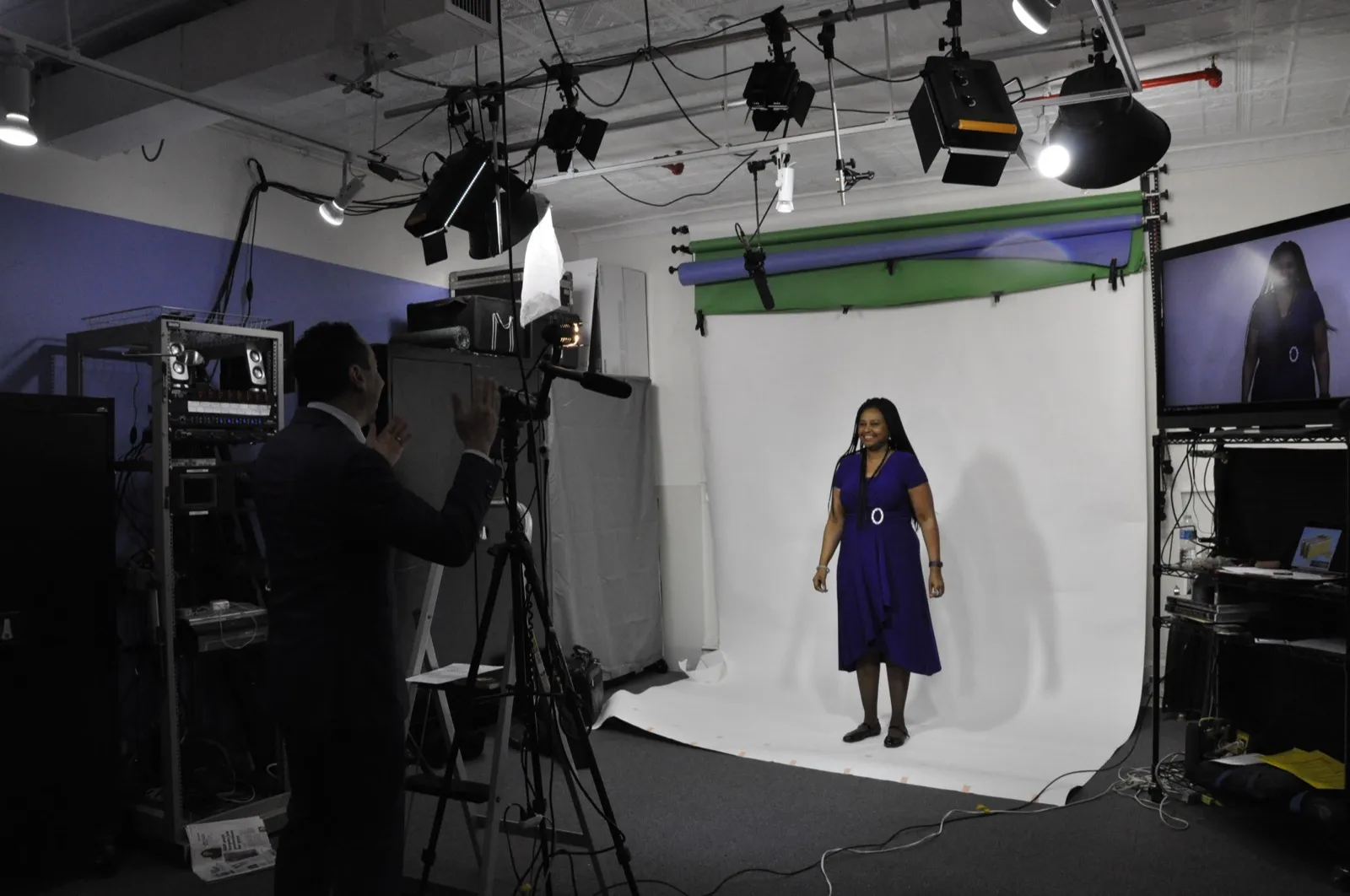
Confidence. The most immediate result is a dramatic increase in confidence before and during media interactions. Executives who once dreaded interviews begin seeking them out as strategic opportunities. This shift happens because media training replaces uncertainty with a proven system. When you know exactly how to handle any question that comes your way, the anxiety disappears.
Message control. Trained executives stay on message. Instead of being led down rabbit holes by a journalist's line of questioning, they deliver their key points clearly and consistently. This means the resulting coverage actually serves their organization's communication goals rather than the journalist's narrative.
Stronger sound bites. The quotes and clips that appear in coverage become sharper, more compelling, and more aligned with your strategic messaging. Journalists prefer working with trained spokespeople because they provide usable material, which leads to more and better coverage over time.
Crisis resilience. Organizations with media-trained executives handle crises faster and with less reputational damage. When the unexpected happens, trained spokespeople can respond within the critical first hours rather than scrambling to figure out what to say, often making things worse in the process.
Leadership perception. Executives who communicate well in public are perceived as more competent, more trustworthy, and more promotable. Media training does not just improve your interviews. It improves how colleagues, board members, investors, and industry peers perceive your leadership capability.
The return on investment is particularly clear when you consider the cost of getting it wrong. A single botched interview during a crisis can wipe out millions in market value. A poorly delivered earnings call can shake investor confidence. A viral clip of an executive losing composure can follow that leader for years. Media training is an insurance policy that pays dividends every time you speak publicly.
Career acceleration. Executives who communicate effectively in public settings are consistently identified as high-potential leaders within their organizations. Board members and executive recruiters pay attention to how leaders handle tough questions and high-visibility moments. The communication confidence that media training builds translates directly into stronger performance in board presentations, investor meetings, industry panels, and the increasingly public nature of modern executive leadership. Many of our clients report that their media training investment has been one of the most impactful professional development decisions of their career.
The bottom line is this: the executives who perform best in media situations are not the ones who are naturally gifted communicators. They are the ones who have trained. Like any high-performance skill, effective media communication is built through deliberate practice with expert guidance, not left to chance.