How do you grow a podcast? Pick a narrow message, get your audio broadcast-clean, publish on a consistent schedule, then add syndication and short-form clips so new people can find you. Podcast growth compounds slowly, then all at once. The shows that scale are rarely the loudest. They are the most consistent.
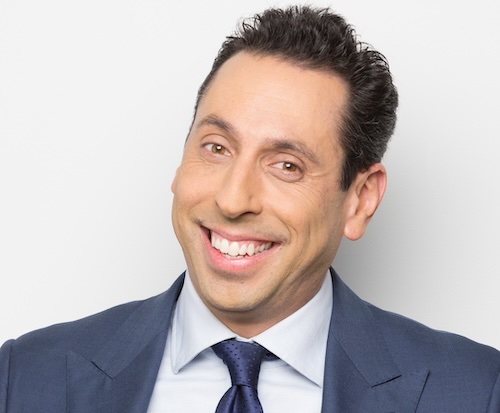
I was reminded of that recently sitting down with Dr. David Schein, a law professor and former radio host who now runs three podcasts. Halfway through our conversation he told me about the one upgrade he almost skipped: a little black box from the guitar store that connects an old radio microphone to a modern laptop. He had put it off for months. Once he plugged it in, the shows sounded like real radio again, and the numbers kept climbing. That is the whole game in miniature. Small, unglamorous decisions, made consistently, that stack.
Why this matters (and what most new podcasters get wrong)
Here is the trap. A newspaper has a defined audience: a neighborhood, a city. A podcast has an unlimited audience that is not geographically defined, which sounds like an advantage until you try to reach it. When you can talk to everyone, you tend to talk to no one. So the show drifts, the topics wander, and nobody has a reason to come back.
The other mistake is expecting speed. Most people quit in the first few months because the numbers look small. But small is where every show starts. Dr. Schein began in early 2020 with listens in the hundreds. He did not go viral. He kept showing up, and the audience compounded month over month until one of his shows was pulling roughly 900,000 monthly listens. The growth was real. It was just patient.
When you can talk to everyone, you tend to talk to no one. A podcast that grows is a podcast that decided who it was for.
The 5-step playbook to grow a podcast
This is the sequence I walk podcasters through, and it is the same arc Dr. Schein followed without ever calling it a system. Do them in order. The order is part of the point.
Step 1: Pick a lane and a message, then attract and repel
Stop chasing the mediocre middle. Out of 8 billion people, you do not need everyone to sort-of-like your show. You need a smaller group to say, that one is for me. That means you will attract some listeners and repel others, and that is exactly right. Dr. Schein is deliberate about it. His interview show focuses on nonfiction authors in three areas: business, politics, and community action. Every guest has to answer one question for the audience: why should you pay attention to this person? If you cannot name who your show is for in a sentence, you are not ready to hit record.
Step 2: Make the audio broadcast-clean before anything else
People will forgive slightly soft video. They will not forgive audio they cannot hear. Rule one is that you have to be crystal clear, or listeners turn you off in seconds. That means a real microphone, high-speed internet, and no guest phoning in on a laptop speaker. This is the upgrade Dr. Schein delayed for months and then fixed with a twenty-dollar converter. Do not wait like he did. Upgrade faster than feels comfortable, because every episode that sounds cheap costs you the listeners you worked to earn.
Step 3: Publish consistently and keep interviews tight
Consistency beats intensity. A show that reliably lands every week trains an audience to expect it. Structure helps too. Dr. Schein keeps his interviews short and defined, tells guests the exact time window, and stays on track, because a rambling hour loses people. His daily business segment runs about two and a half minutes. When his network reported that a listen only counts after five minutes, he realized people were finishing whole episodes. Tight and finished beats long and abandoned.
Step 4: Add syndication and repurpose into short clips
This is the lever most independent podcasters never pull. Getting onto a network puts your show in front of an audience you could not reach alone. Dr. Schein got introduced to two syndication networks, and that is where the big numbers came from: one show now runs daily on the Apple-affiliated network after the news. You can chase that. You can also do the version that costs nothing: cut every episode into one-minute clips and post them to Facebook, Instagram, YouTube, TikTok, and LinkedIn. One of our clients did exactly that and, ten weeks in, was seeing 1,000 to 5,000 views on individual clips, each one a new door into the full show.
Step 5: Watch the numbers and let the audience steer
Once you have momentum, the data becomes your co-producer. Dr. Schein watches his monthly numbers closely now, notices the seasonal dips, and reads every listener email. His rule of thumb: for every person who bothers to write, there are 10 to 100 more paying attention who did not. So he responds, and sometimes he takes the suggestion. The audience will tell you what is working. Your only job is to keep listening.
The mistake most new podcasters make
They fall in love with the gear and forget the message. Or they do the opposite and record on a laptop mic for a year because upgrading felt like a hassle. Both are versions of the same error: treating the podcast like a hobby you tinker with instead of a product you build.
The deeper mistake is impatience. People hear that a show has 900,000 listens and assume it arrived that way. It did not. Dr. Schein told me it takes a minimum of six months to a year for a new podcast to find an audience, and at our agency we set the expectation even longer for real momentum, often closer to three years. That is not discouraging. It is freeing. It means the only way to lose is to stop before the compounding starts.
The single biggest driver of a good episode is not the gear, it is the person at the microphone. Whether you are hosting your own show or going on someone else's as a guest, being clear, tight, and genuinely worth listening to is a trainable skill. That is a lot of what I do with executives and spokespeople, and it translates directly to podcasting.
Want help sounding great on air?
Tell me whether you host a show or go on as a guest, and I will send a few ways I coach people to be clearer, tighter, and genuinely worth listening to.
Case study: from a few hundred listens to 900,000 a month
Dr. David Schein is not a celebrity, which is exactly why his story is useful. He is a law professor and former radio host who wrote a book and needed a way to promote it. In early 2020 a PR contact offered to interview him on a podcast, and that became his first show, built on Zoom, with listens in the hundreds.
Then it compounded. His producer suggested spinning his online law lectures into a short daily segment, so a second show was born. About a year and a half ago two syndication networks came calling. Today his daily business segment averages roughly 900,000 listens a month on the Apple-affiliated network, his weekly interview show pulls around 100,000, and a newer politics show is already over 70,000. Across YouTube and Spotify his catalog has passed 250,000 cumulative plays, enough to start earning revenue. None of it came from a single viral moment. It came from a clear message, clean audio, a consistent schedule, syndication, and years of not quitting. The exact five steps above.
The slow way versus the compounding way
| Decision | What stalls a podcast | What grows one |
|---|---|---|
| Audience | Trying to appeal to everyone | A defined lane that attracts and repels |
| Audio | Laptop mic, guest on speakerphone | Broadcast-clean sound from day one |
| Schedule | Whenever there is time | Same slot, every week, tight run time |
| Reach | Posting only to the podcast apps | Syndication plus short clips on five platforms |
| Timeline | Quitting at month three | Playing for the six-month-to-three-year build |
Read the last row twice. The difference between a dead show and a growing one is often nothing more than staying on the air long enough for the other four rows to pay off.
What to do next
Pick one step you have been avoiding and fix it this week. For most people it is the message: write the one sentence that says who your show is for, and cut anything that does not serve that person. For others it is the audio, or finally cutting episodes into clips.
If you want help sounding like someone worth listening to, whether you host a show or go on others as a guest, that is the work I do with executives and spokespeople every day. You can get a quick quote for working with me directly. For the on-air fundamentals, here is how to make the most of a media interview and how to leverage media interviews to grow your reach.
Your first hundred listeners will feel like nothing. Keep going. The show that compounds is simply the one that was still publishing when the audience finally showed up.