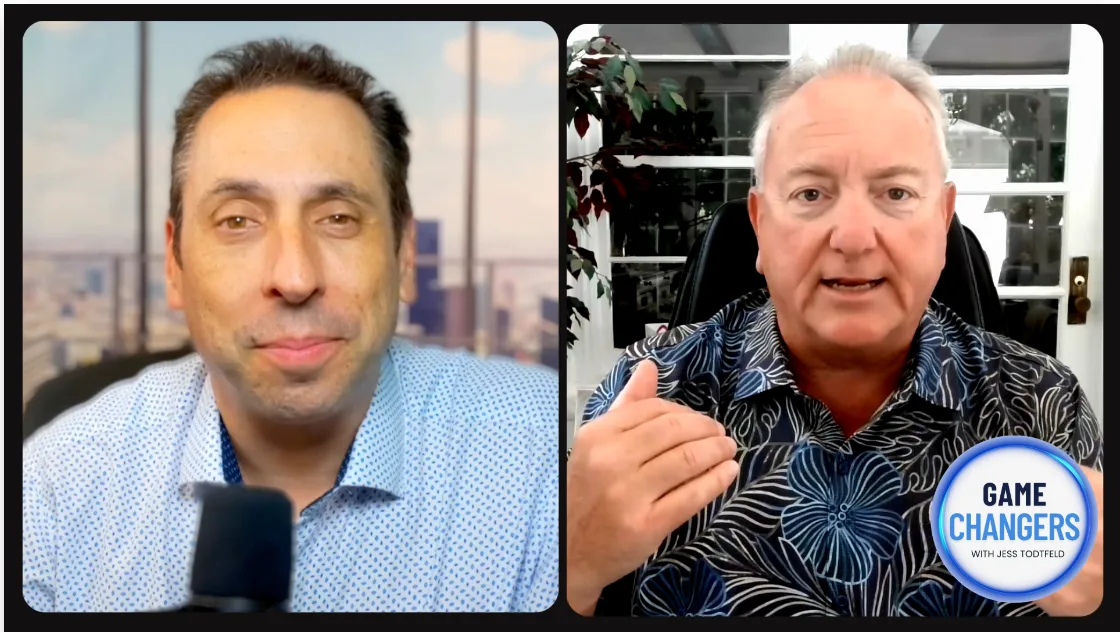
PR media training prepares authors and experts to handle interviews the way a publicist needs them to: get to the point, stay focused on the audience, and turn media hits into book sales without sounding salesy. Scott Lorenz, a book publicist of four decades and president of Westwind Book Marketing, sends his authors to me before their interviews. In a recent conversation, he described what he watches happen: authors who were nervous or long-winded come out able to lead an interview and sell the book without ever sounding like they are selling.
Scott handles mostly authors, along with doctors, lawyers, and financial-services experts, which happens to be the same core group I train. So this is a useful case study for any expert with a message to promote, not just novelists. Here is what actually shifts in the training.
Do authors need media training?
Scott put it plainly: the more interviews you do, the better you get. His authors have often dialed in the book trailer, the press kit, and the reviews long before they reach me. The interview is the piece that is left, and it is the one that converts attention into sales. Some authors are surprised when I record their practice and play it back. They start out uneasy, and then they watch themselves get visibly better in real time.
That is the whole reason recorded practice works. It is not about performing. It is about seeing the small adjustments land so the real interview, when it counts, is not the first time an author has heard themselves answer the tough questions.
How do authors promote a book without sounding salesy?
The biggest block authors carry is the old idea of the plug. You must force in your book, your business, your website. Authors often feel icky doing it, like they are selling. And if the plug lands in the first sentence, it is worse: you have not earned it yet, and the audience feels it.
The fix is to replace the plug with a call to action, and really with a series of them. Early in the interview you give the audience small, useful directions: try this one thing, ask yourself this question, next time you are at the beach do this. The audience gets used to taking direction from you. Then, about three quarters of the way in, you say something like, "This is exactly why I wrote the book, and people should get a copy, because it will help them do this specific thing." By then the ask is earned, and it lands.
- Examine, diagnose, prescribe. In sales they tell you to be like a doctor. No one wants a doctor who says "that looks a little fishy, see you next time." Tell the audience what to do.
- Point to one place. Not a wall of links. Not Amazon among a million books. One memorable destination the audience can actually remember.
- Earn the ask. Small calls to action first, the buy-the-book ask three quarters of the way in, so it never feels forced.
The toughest question authors get asked
It is not really a question at all: "Tell us about the book," or "What made you write it?" I have quizzed authors on this, and it is the one that makes their head explode. Most books have many chapters, so the author does not know where to start, and the answer sprawls. Scott sees the same thing: they melt down, or they go too deep in the woods.
Every field has its version. A lawyer gets "tell us about this new law" and disappears into the weeds. The trained answer is a prepared, audience-first opening that gets to the useful point fast, then stops. As Scott likes to say, no one wants to hear "I was born in a log cabin down by the river." Get to the present, and get to what is useful.
Be audience-first: the only station is WIIFM
Scott shared a line a mentor gave him decades ago: everyone is tuned to one radio station, WIIFM, "what's in it for me." That is human nature, and you cannot fight it. So the strongest interviews are built around the audience. Media loves numbers, a top ten or a list of five, because the audience can remember them. And every segment should leave a clear takeaway: not just "go buy the book," but "I just learned how to fix this specific thing."
This is the part most media training misses. Yes, an author has an agenda: get people to the website, sell the book. But when the answer solves the audience's problem, and the outlet can see its audience getting real help, that is the perfect center of the Venn diagram. You get your message across precisely because you led with theirs.
Soundbites you can build in advance
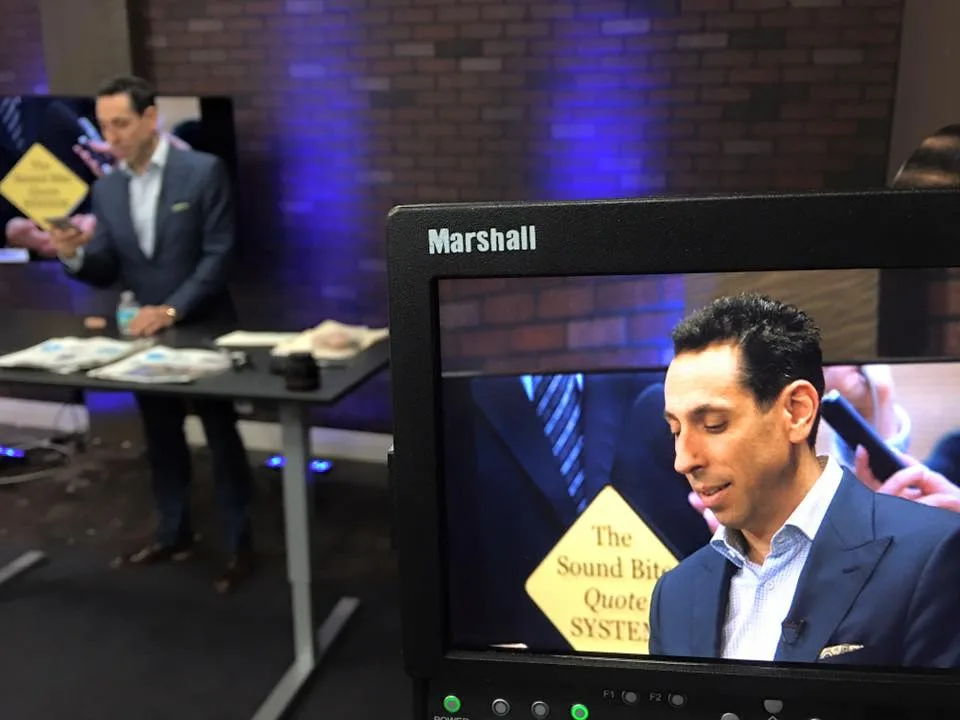
The surprise for most authors is that soundbites can be created ahead of time. A soundbite is just a quote that video, audio, and social editors clip because it is memorable. When I left television as a producer, I reverse engineered fourteen strategies from what we used to search for in the edit room, the moment the editor and I would both say, "There's our quote."
When I work with Scott's authors, we build lines that are so irresistible the media and the audience cannot look away. The result is that they get quoted saying the exact words we came up with in advance. One group I recently worked with, a set of government-adjacent nonprofits in Washington, got excited when we compared their past press coverage to the fourteen strategies and saw the match. Even Scott does it without realizing: "You opened up all these doors" uses an analogy and action words, and "the bottom line" is the kind of cliché editors cannot resist quoting.
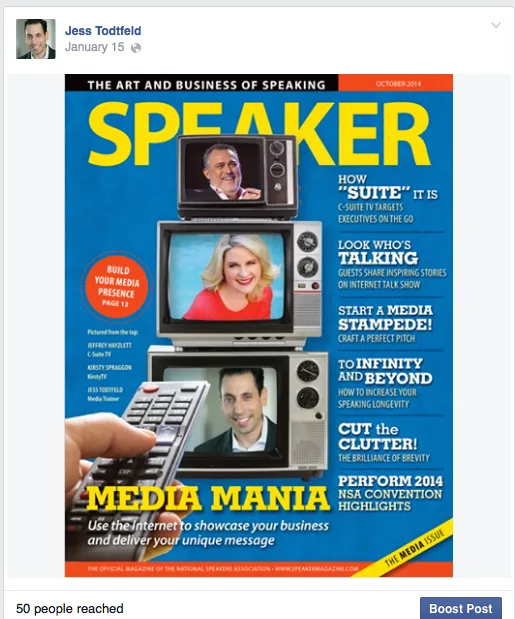
Featured in Speaker magazine
Jess Todtfeld is a Certified Speaking Professional (CSP), a Guinness World Record holder for most media interviews in 24 hours, and a former ABC, NBC, and Fox producer. His system for building quotable soundbites is drawn from years of deciding, in the edit room, which lines made the cut.
Hear it from Scott Lorenz
In this conversation, Scott and I talk through what changes for authors once the interview itself is handled, from calls to action to the soundbites they prepare in advance.
- Writing a book and talking about it are two skills. The interview is where attention becomes sales, and it is trainable.
- Replace the plug with a call to action. Earn the ask with small, useful directions first.
- Lead with the audience. Solve their problem and your message rides along with it.
- Prepare a takeaway and a number. A clear "top five" and a single takeaway make the segment memorable.
- Build soundbites in advance. The exact line you plan is often the exact line that gets quoted.
If you recognize yourself here, the expert or author who has the message but wants the interview to do it justice, that is exactly who media training for executives and authors is built for. The same skills sit at the center of broader executive communication training, the discipline of coming across as clearly and credibly as you actually are. And if you are still deciding whether it is worth it, our guide to what media training is and what it includes is a good next read.