
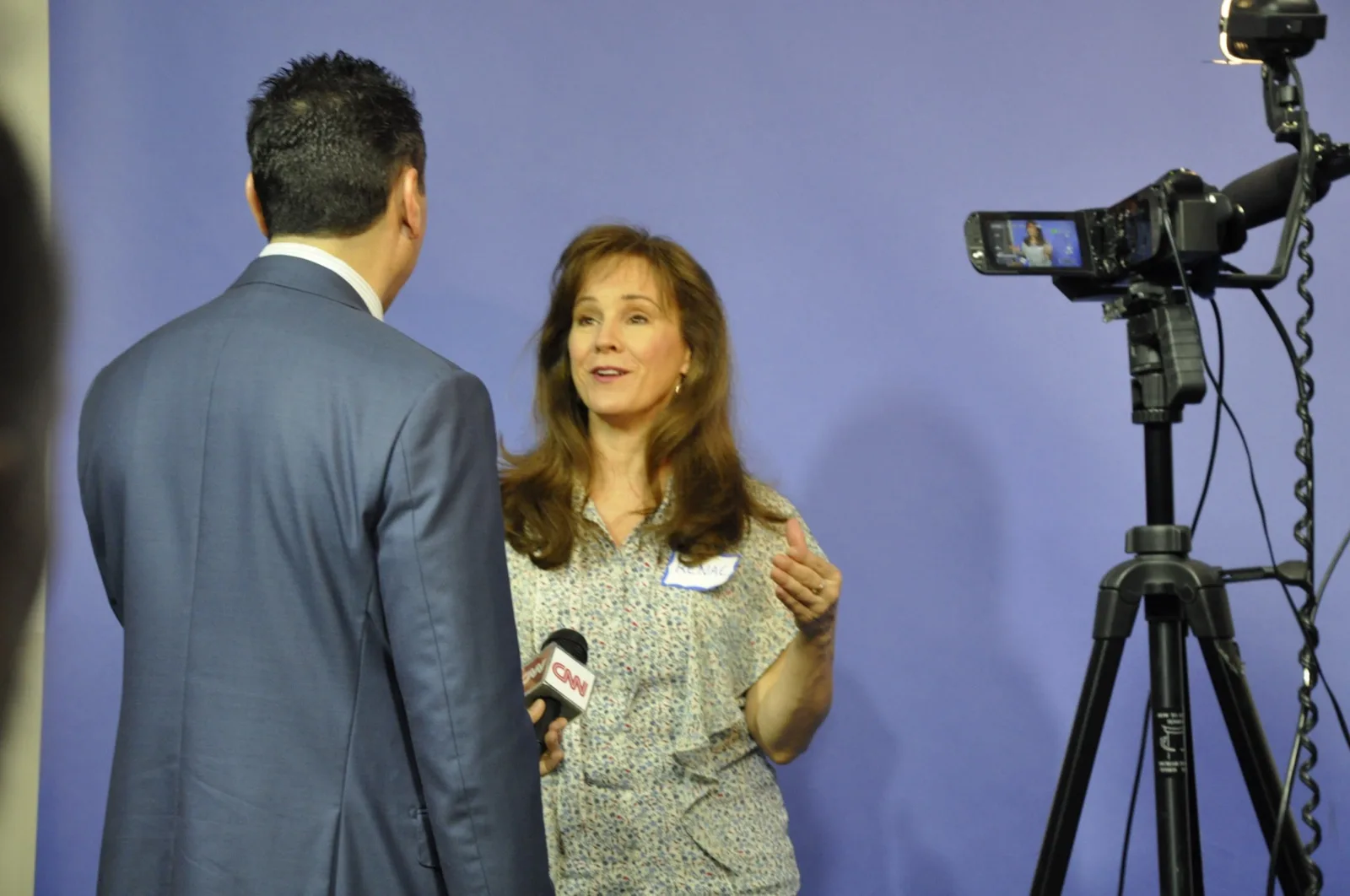
Why Washington DC Requires a Different Kind of Media Training
In DC, the challenge is rarely a lack of information. The challenge is saying enough without saying too much, staying clear without sounding rehearsed, and protecting trust while the questions get more pointed.
This matters even more when the moment is policy-sensitive, reputation-sensitive, or likely to be replayed, clipped, or quoted beyond the original setting. Leaders in Washington need communication discipline that holds up under scrutiny, not generic confidence tips.
High-Scrutiny Environments
Washington audiences notice rambling, hedging, and visible discomfort quickly. A weak answer can damage trust even when the facts are on your side.
Policy-Sensitive Communication
Some moments require leaders to stay clear, careful, and composed without sounding robotic or over-lawyered.
Practical Rehearsal
Executives learn faster when they can see themselves on playback, adjust, and immediately try again under guided pressure.
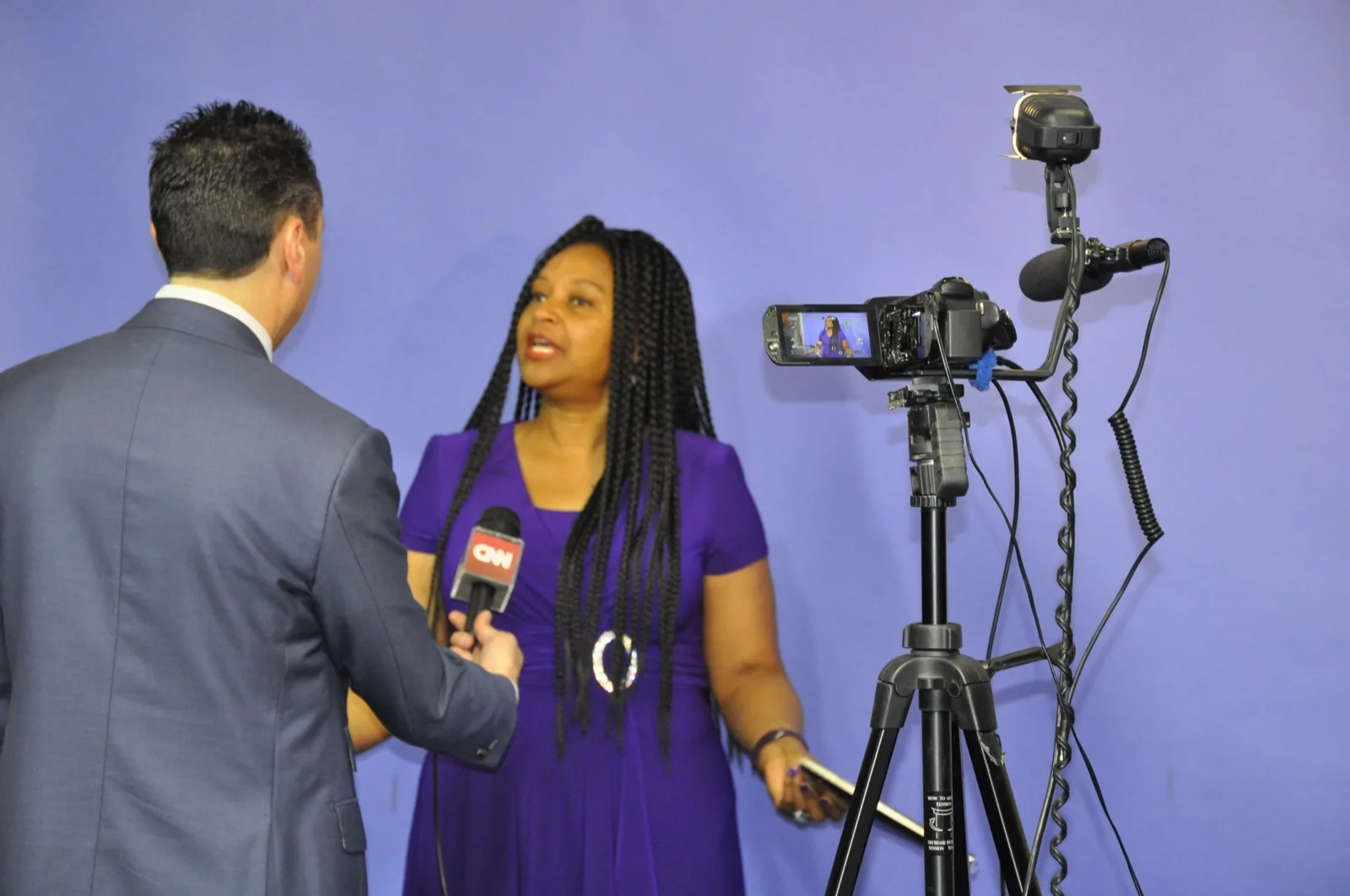
Washington leaders rarely get judged only on what they know. They get judged on how clearly and calmly they deliver it under pressure.
Who This Is For in Washington DC
- Associations and trade groups preparing executives and spokespersons for public-facing moments
- Government organizations and institutional leaders who need clear, calm, disciplined answers
- Nonprofits and mission-driven organizations communicating in high-scrutiny environments
- Public affairs and communications teams that want a stronger, more consistent spokesperson bench
- Executives preparing for interviews, press availability, conferences, or other sensitive appearances
Common DC Training Scenarios
Policy-Sensitive Media Moments
Preparing a spokesperson to stay clear and composed when every word carries extra scrutiny.
Executive Interviews
Helping leaders answer difficult questions without sounding defensive, evasive, or overly scripted.
Association and Conference Visibility
Rehearsing public-facing communication before conferences, industry events, and high-visibility leadership appearances.
On-Location Training in Washington DC
Jess trains on location in Washington DC and the surrounding area. Sessions can be held at your office, headquarters, association space, conference venue, or a neutral location such as a hotel meeting room.
Because Washington is only a few hours from New York by train, the logistics are often much easier than clients expect. In many cases, if availability allows, Jess can be in Washington quickly for urgent preparation.
What Makes This Different
Most media training falls into a predictable trap: too much explanation, not enough repetition. Jess uses the camera as a working tool throughout the day so participants can see what is helping, what is hurting, and what changes the result immediately. Rather than putting someone on camera once at the beginning and once at the end, participants are typically on camera at least eight times.
Why Clients Reach Out Before the Pressure Peaks
By the time an executive appearance is on the calendar, the cost of waiting is already rising. A quote request usually starts when a team realizes they do not want to gamble on improvisation, overly legal language, or a spokesperson who sounds less prepared than the moment demands.
Organizations Served
Washington-area and public-sector-relevant work has included organizations such as:
- National Park Service
- Forest Service
- Bureau of Labor Statistics
- Social Security Administration
- Bureau of Prisons
- National Association of Realtors
- United Nations
Results and Trust
Clients often come in worried about making mistakes in public. Jess reframes the day clearly: today is the day to try new things, make mistakes, and fix them in training instead of in front of the audience that matters.
Even people who start the day nervous about being on camera usually end up appreciating how quickly the playback reveals what is already working and what can be sharpened. Every engagement also includes a full year of post-training support and resources.
Who leads the training
Every Washington DC session is led personally by Jess Todtfeld, founder of Success in Media and author of Media Secrets: A Media Training Crash Course. He spent 13 years as a television producer for NBC, ABC, and Fox, produced more than 5,000 segments, and holds the Guinness World Record for the most media interviews given in 24 hours. There are no associate trainers.