Updated
To prepare for a panel discussion, practice on video, bring a handful of messages and stories you can pull from, and keep every answer short. You will not know the questions, so treat each one as a jumping-off point for something you have already prepared.
A panel is a presentation in short spurts
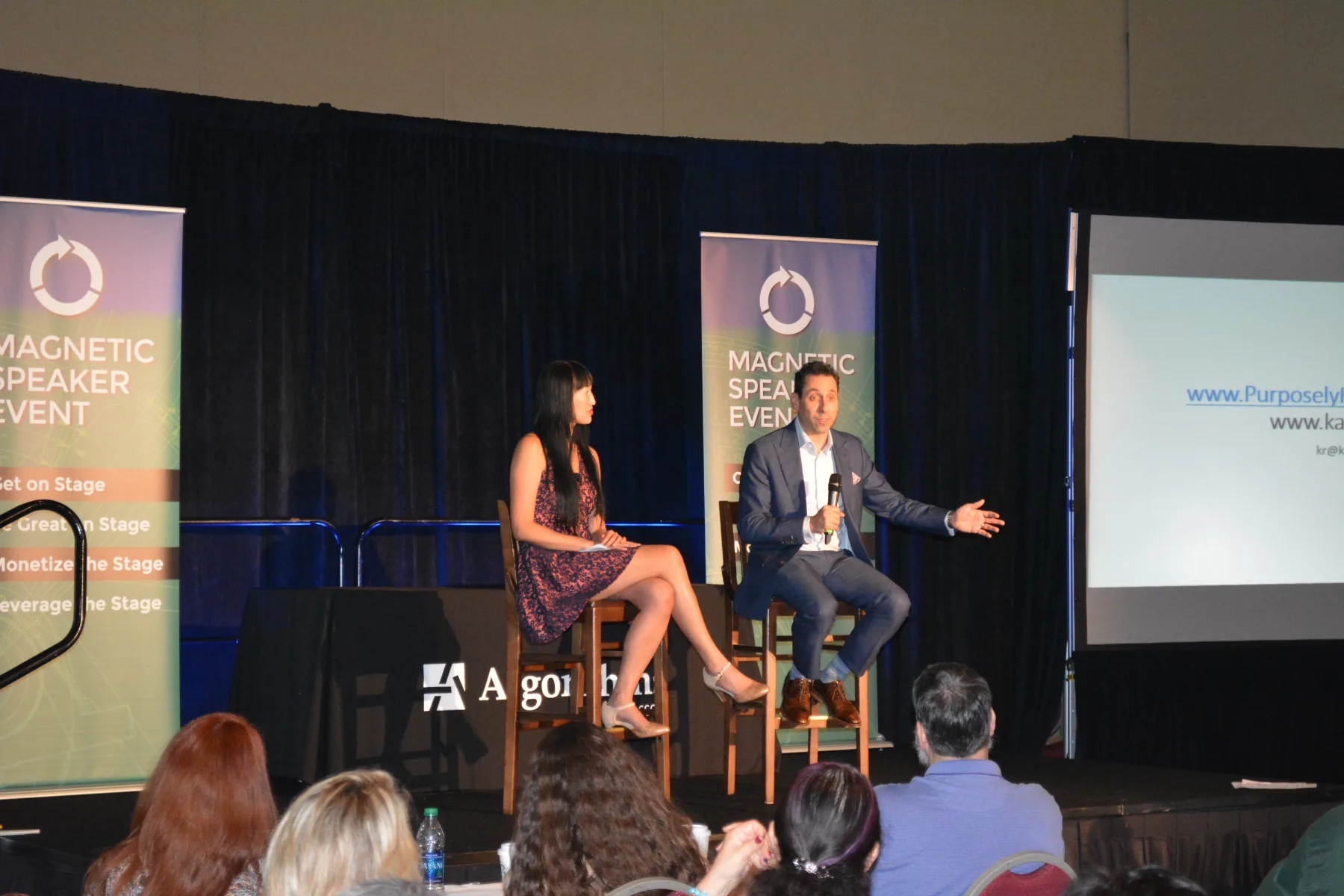
So you are going to be on a panel, and you are wondering: I took a presentation training workshop, but I do not know if we talked about panels. It is very similar. You are sitting up there next to other people, and you will be presenting in short spurts.
That means you need to practice. The best way to practice is with a video recording device. Set your phone on a shelf, answer a few mock questions out loud, and watch the playback. Even though you will be sitting in a chair on the day, you still need to hear how you sound.
A panel is presenting in short spurts. Prepare for it the way you would prepare to present.
Bring ammunition, not a script
You probably do not know the questions. Those questions are all just bouncing-off points. If you walk in with ammunition, meaning words, messages and stories you can pull from, you will feel calmer. Without it, each question feels like a trap.
Here is a quick way to build it. Take five to seven minutes and write out not the questions, but the answers you wish you could say. Just stream of thought. Then look at it: if you said half of those things, you would be happy with the event. Hardly anyone does this. They wait for the questions. This will not turn you into the kind of politician we all hate who can never answer a question. You can still be authentic and real.
Pick a few messages and a story or two, and you are ready.
Watch out for panel math
Many times the first person on a panel talks for too long, and then everybody else, on the panel and in the audience, does panel math. Everyone talks for a long, long period of time, and the total balloons.
Do the opposite. Get the most sense into the fewest words. You do not want to take five minutes to answer a question, and you want to use every question as a jumping-off point for something you prepared. Somewhere between 30 seconds and a minute is a good target. If you are not sure how long you run, record yourself and see where you can cut. As Mark Twain is said to have put it, he was sorry for writing a long letter, and would have written a short one if he had more time. Short takes more preparation.
You want to use every question as a jumping-off point.
Answer in a sentence, then move to your point
Give the question you were asked a sentence or two, then move to your prepared message or story. You are not dodging. You are choosing the most useful thing to say in the time you have.
You are on camera when you are not talking
Usually there's a camera on the panel and showing on a big screen to the audience. On a panel you spend more time listening than speaking, and it is easy to relax. A number of years ago a broadcaster told me I would be on at the end of the show, so I sat slouched in my seat looking at my phone. Nobody knows where they will cut to you, and they cut to me early. I never did that again. Sit up, look attentive, and assume you are always being seen. Your face gives feedback to the room.
What to do next
For your next panel, write down three messages and one story, then record a practice run on your phone. If you have a big panel coming up and want help preparing, get a quick quote.
For related reading, see how to handle Q&A in a presentation, how to practice with video, not a mirror and how to prepare a presentation.