A strong media training agenda has five parts: preparation before the day, short teaching blocks with specific frameworks, plenty of on-camera mock interviews, individual feedback, and follow-up support afterward. The mock interviews should take most of the time. If your agenda is mostly a presentation about the media, people leave informed but not ready.
I often talk with communications directors who already run an internal program. They line up a group of experts, bring in a trainer, run interviews and send everyone home with notes. Their questions are rarely about the basics. They want to know whether they are paying a normal price, why people skip a session that costs real money, and how to keep the skills alive until the next reporter calls.
Plan for the gap after the trainer leaves
Media training is usually booked around a moment: an announcement, a new study, a leader stepping into a public role. That urgency is useful, but it pushes organizations toward a one-day event that is treated as finished when the trainer walks out.
The skills fade without reinforcement. Most spokespeople do one or two interviews, then go months without another. When the next call comes, the slides from training are buried in an inbox. The agenda has to plan for that gap, not just the day itself.
Policy is the other blind spot. Experts are often contacted directly by reporters, sometimes on a topic that is fine for them but awkward for the organization at that moment. A good agenda covers when to loop in the communications team, not just how to answer questions.
The five parts, in order
1. Prepare before the day
Send the trainer a short background sheet for each participant: name, role, areas of expertise and the stories they are likely to be asked about. The trainer should come back with tailored mock interview questions. This is what turns a generic workshop into rehearsal for real interviews.
2. Keep the teaching blocks short
When sharing new frameworks for: Media Messaging, Q & A, and Sound Bites, the lessons must be tight, have video examples of people in the news using the techniques, and be easily actionable.
3. Spend most of the day on camera
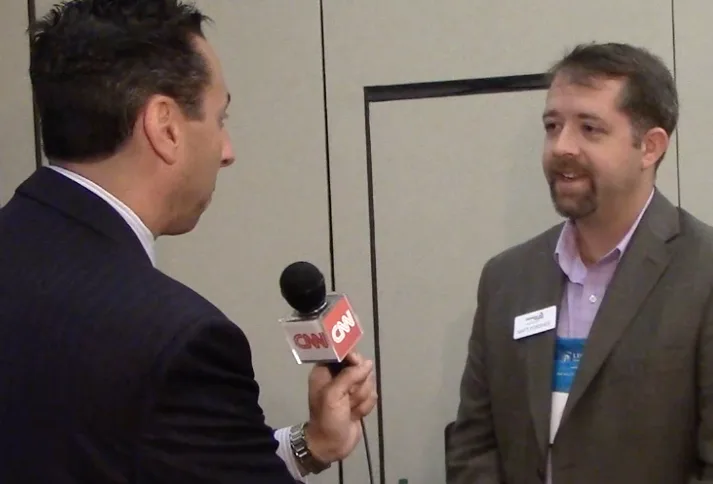
Each person should do at least eight mock interviews during a training day. The day might start with a friendly one to build confidence and a then a tougher one with the questions they dread. The second round is where most of the learning happens, because they get to fix what they saw in the first. A compounding effect takes place as each person practices with each framework and then puts the pieces together. Expect some nerves. A pounding heart on camera is a normal stress response to something unfamiliar, and most people settle within a minute or two.
4. Individual feedback, recorded
Group feedback is helpful, but each person needs specific notes tied to their own recording: what to keep, what to change and one or two sound bites that worked. Recording each interview lets them watch themselves later, which is far more memorable than reading notes.
5. Built in follow-up support
Plan what happens over the following months: refresher sessions, recorded practice with critiques, or a quick prep call before a real interview. Follow-up is the difference between a good day and a lasting skill.
The best way to practice our answers is to record ourselves. Say some of it out loud, because it gets tighter and tighter and tighter.
Two mistakes that make training cost more than it should
The first is comparing providers on the day rate alone. Two programs at a similar price can deliver very different value: one ends at five o'clock, the other includes recordings, personalized feedback and months of support. Ask what happens after the day before you compare numbers.
The second is treating no-shows as a scheduling problem. People skip training when they see it as optional and costless to them. Share the investment, get their manager to confirm attendance, and tie the session to a real upcoming opportunity.
Invite participants with a sentence about the interview they are likely to face in the coming months. People show up for preparation. They skip "training."
What to do next
If you are planning media training for your experts, ask us how we'd customize the agenda above and ask more about exactly what happens after the day. We provide a full year of ongoing support at no extra cost.
For pricing context, read how much media training costs, and see how we approach spokesperson training for organizations. When you are ready, get a quick quote.