Your reps rehearse the deck. The deal is decided in the Q&A.
Everyone rehearses the presentation. Almost nobody rehearses the questions. That is backwards. The presentation is the part your team controls: the deck, the order, the demo, the dry run with two colleagues playing the buyer. The Q&A is the part that decides the deal, and it is improvised, in front of the committee, with the number on the table.
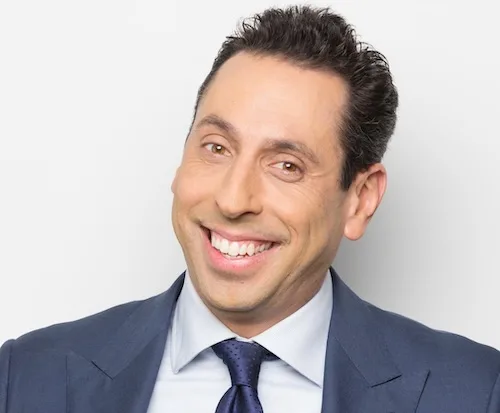
The training that fixes the second one is called The High Stakes Presenter. It is run by Jess Todtfeld, who spent 13 years as a television producer asking the hard questions before he spent two decades teaching people how to answer them.
Tell Jess what your team is running into
Four fields and you are done. He reads these himself and replies personally, usually within one business day. If it is not a fit, he will say so rather than push you toward a call.
Got it. Jess will reply personally.
Expect an answer within one business day at the address you gave. If you would rather talk it through sooner, his 15 minute calendar is right here.
Prefer to reply by email?
Answer the email that brought you here, or write to Jess directly. Same inbox, same person reading it.
Email Jess →Ready to talk it through?
Fifteen minutes on the phone with Jess. No pitch deck and no sales script, just whether this fits the meetings your team is walking into.
Book a 15-minute call →Where the deal is actually decided
Watch where your team's prep hours go. The deck gets six drafts. The opening gets rehearsed out loud. Somebody times the demo. Then the meeting reaches the last ten minutes, the CFO leans forward and asks the thing nobody scripted, and the rep improvises.
The prepared portion
Slides, narrative, demo, the close written on Tuesday. It tells the buyer what you want them to know, and it is the part your team can fix on its own time.
The last ten minutes
Pricing, security, the competitor they already met, the objection from the person who stayed quiet. It tells the buyer what your rep is like without a slide, which is the version they will live with.
Those last ten minutes are not an appendix to the meeting. For a buying committee, they are the meeting. And the usual answer, preparing harder by trying to predict every question, does not hold: predicting is impossible and exhausting, and the moment a buyer asks something slightly off the script, the script collapses.
What holds up is a repeatable answer system, so a hard question stops being a threat and becomes the best place in the meeting to put your strongest material. That is what The High Stakes Presenter teaches, and it is the reason the training is built around the Q&A rather than the slides.
Three things your team leaves with
Every engagement is built around your actual deals, your actual buyers, and the questions your team is actually getting hit with. Nothing generic, no workshop off the shelf.
An answer system, not a list of comebacks
A repeatable two part structure: a short answer that closes the question, then the point they came to make. It works on a question nobody predicted, which is the only kind that matters.
The questions your own deck triggers
Most of the hard questions in a sales meeting are provoked by a specific slide or number. Your team learns to see them coming from the material itself instead of guessing at the buyer.
Practice under real pressure, on camera
Recorded rehearsal with the hard questions fired at them, played back, run again. Reading the deck in your head is not rehearsal, and buyers can tell which one happened.
The training and the book share a name for a reason
The High Stakes Presenter releases in November 2026. It is the same method the training runs on: what a television producer checks before putting anyone in front of a camera, applied to the room where somebody is deciding whether to sign.
You do not have to wait for the book. The training runs now, and Jess will tell you on a short call or in a reply whether your team needs it.
The audience was laser focused. It was unbelievable... we closed a million dollar [deal] assignment.Les Richmond, Director of Communications, Global Advertising & Brand Management, Hay Group / Build America Mutual
Jess trains leaders at Google, JPMorgan and American Express, and across dozens of Fortune 500 organizations, in New York, on site, and virtually.
Two things you can use today
Neither one is gated and neither one costs anything. Both are built on the same argument as this page.
A few quick answers
What happens after I send the form?
Jess reads it himself and replies personally, usually within one business day. If it is not a fit, he will tell you that rather than push you toward a call.
What does High Stakes Presenter training cost?
Engagements typically run between roughly $1,000 and $15,000 depending on format, group size, and how much customization and recorded practice the program calls for. Jess prices every engagement himself, once he understands the rooms your team is walking into.
Is this for the whole sales team or just the people running it?
Both formats exist. Some companies bring Jess into a national sales meeting for the full team, others start with the handful of people carrying the biggest deals. Group size changes the format, not the method.
Is the training virtual or in person?
Both. Jess trains in person in New York and travels for engagements, and runs the same method virtually with full recorded practice.