Media Training for Healthcare & Doctors
Media training for healthcare is specialized coaching that prepares physicians, executives, and spokespeople for interviews where patient trust is on the line. When a treatment outcome or clinical trial becomes a news story, your spokespeople have seconds to protect your organization's reputation.
The Stakes in Healthcare
Healthcare organizations operate at the intersection of medicine, regulation, and public trust. A single misstatement to the media can affect patient safety perceptions, regulatory relationships, and stock price. Your executives and clinical leaders speak on behalf of patients and families who depend on your care. Every word matters.
What Executives in Healthcare Face
FDA Scrutiny & Regulatory Coverage
Drug approvals, clinical trial results, and safety warnings attract intense media attention. Regulators are watching how you communicate.
Patient Data Breaches & Cybersecurity
A HIPAA violation makes headlines. Your response needs to reassure patients, satisfy regulators, and maintain trust in your security posture.
Clinical Trial Coverage & Patient Recruitment
Explaining trial results to journalists who lack medical background requires precision without losing the story. One misstatement can derail patient confidence.
Executive Interviews on Health Outcomes
C-suite leaders often face unscripted interviews on patient outcomes, pandemic response, and clinical innovation. Hospital leadership must be articulate and authoritative under pressure.
What Jess Trains You to Do
🎯
Protect Patient Trust
Navigate medical complexity in plain language while maintaining credibility with clinical and lay audiences.
⚖️
Navigate Regulatory Messaging
Stay on message during FDA announcements, safety updates, and clinical trial disclosures without over-promising.
🛡️
Crisis Response & Breach Communication
Respond with speed and empathy when incidents occur, protecting your organization while respecting patient concerns.
📊
Translate Data to Narrative
Turn clinical trial results, outcomes data, and health equity initiatives into compelling stories journalists can tell.
🎤
Spokesperson Training
Prepare your full roster of spokespeople, from CMO to medical directors, so every voice that speaks for your organization is polished, on-message, and camera-ready.
💉
Product & Treatment Representation
Communicate the benefits and safe use of treatments, devices, or pharmaceuticals to media audiences without creating liability, in language patients and providers actually understand.
Watch: what happens in a healthcare media training program
Trusted by Healthcare Leaders
Jess has trained spokespeople, clinical leaders, and executives from leading healthcare organizations:
ACEP
AAOSH
Urban Health Plan
NOMV
"Jess has an exceptional ability to help me think through the core message I need to deliver and how to deliver it in a way that lands with my audience. The focus on preparation and controlling the message is invaluable."
Don Phillips, Healthcare Executive
Common Healthcare Media Scenarios We Prepare For
- Hospital Crisis Response: A patient safety incident or adverse event becomes news. Your CEO must respond with transparency and reassurance in the first 24 hours.
- Drug Approval Announcement: Your pharmaceutical company wins FDA approval. Journalists want to know efficacy, pricing, and how quickly patients can access treatment.
- Executive Interview on Patient Outcomes: A major network wants to profile your hospital's new research or treatment innovation. Your clinical leader must explain complex medicine in compelling, accessible terms.
- Congressional or Regulatory Hearing Prep: Your organization is testifying before Congress or regulators. Your testimony is prepared, but media will be waiting outside.
See it in action
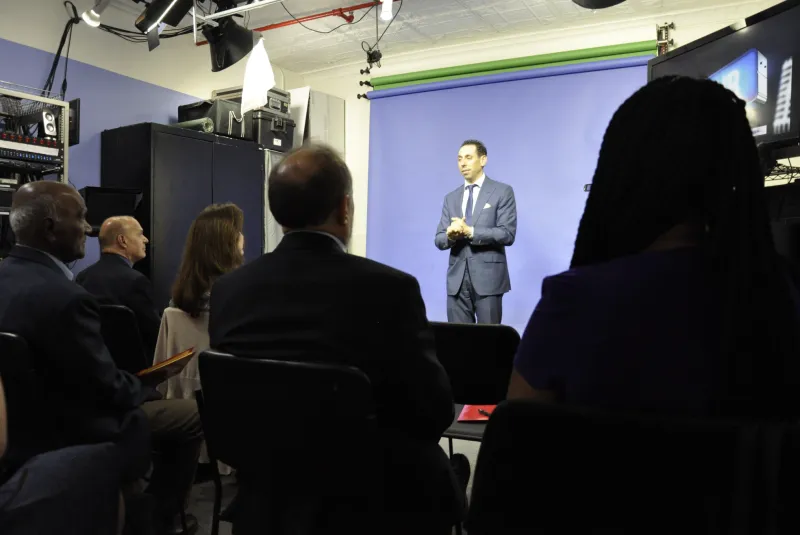
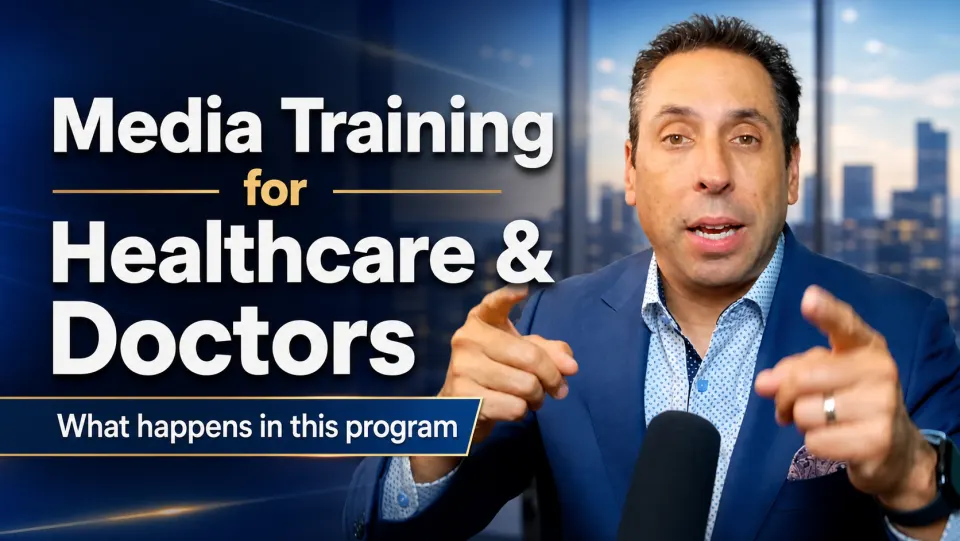
Media training for healthcare and doctors
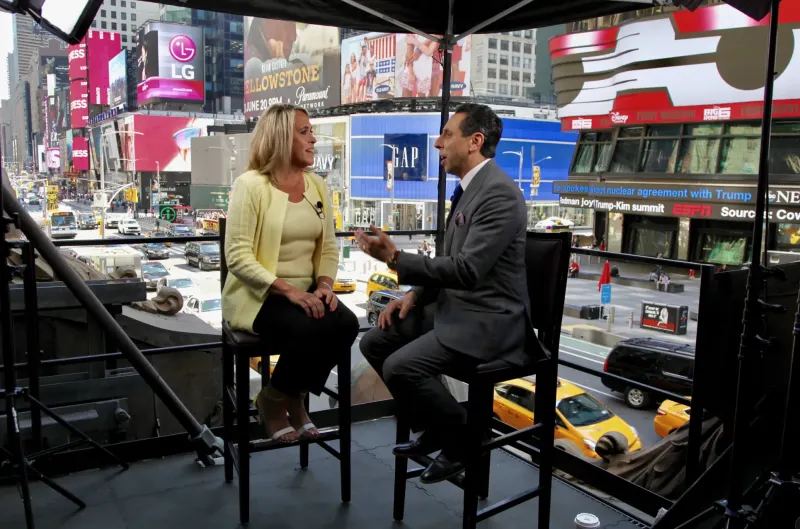
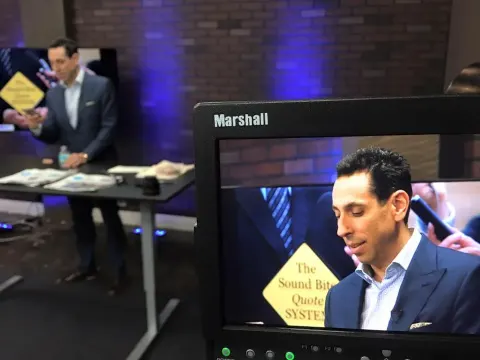
In about 2 minutes, see what happens in a media training program built for physicians, hospital leaders, and healthcare spokespeople.
Presentation Training for Healthcare Teams
Physicians and hospital leaders present far more often than they give interviews. Grand rounds, a conference podium, a CME lecture, a patient education session, and a board presentation are all high-stakes rooms, and none of them are what media training is for.
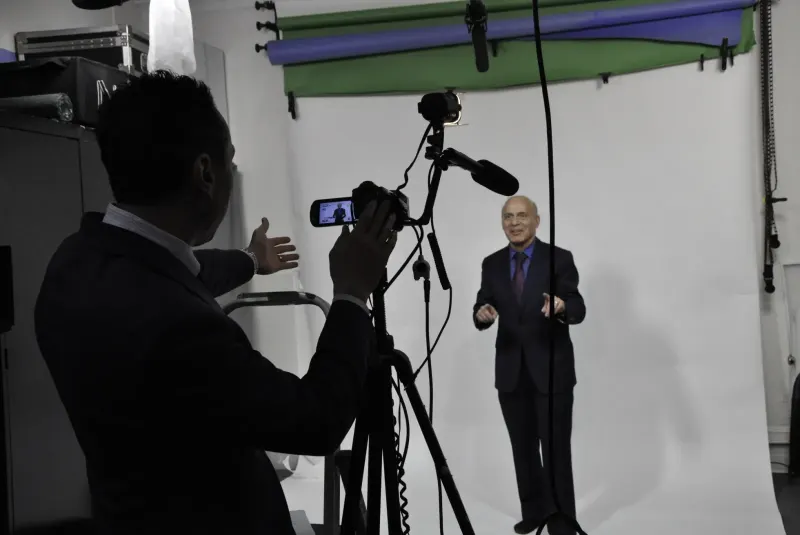
Presentation training is the companion program. Jess Todtfeld trains clinicians to translate dense clinical material into language a mixed room can follow, structure a talk around the change they want, and hold attention through the twenty-fifth minute. Sessions are recorded, and watching the playback is where physicians finally see what the audience sees.
Grand Rounds
The audience runs from medical students to senior attendings. The talk has to stay rigorous for the experts and accessible for the learners, and engagement is the goal rather than information transfer.
The Medical Conference Podium
Fifteen minutes to present two years of work, inside a program competing for the same attendees. Structure and delivery are what get research cited, discussed, and remembered after the session ends.
The CME Lecture
A room of physicians required to attend but not required to pay attention. The presentation has to compete with email and fatigue while still meeting its educational objectives.
Patient Education and the Hospital Board
Two very different rooms with the same requirement: plain language and real empathy. Clinicians practice explaining risk, options, and outcomes to patients and families, and leaders practice presenting a service line or a capital request to a board.
Go deeper: presentation training for doctors and physicians and presentation training for medical and healthcare leaders, the high stakes presentation training methodology, the full presentation training program list, or presentation training questions answered.
Healthcare Media Training Questions
Is the training HIPAA-aware?
Yes. Healthcare media training is built around patient privacy from the start. Practice exercises use de-identified or fictional scenarios, and spokespeople learn how to discuss outcomes, incidents, and clinical questions on camera without disclosing protected health information or speculating beyond what your legal and compliance teams have approved.
Can physicians and clinical leaders learn to explain complex medicine on camera?
Yes. Translating clinical language into plain, quotable English is a core skill in these sessions. Physicians practice explaining trial results, treatment risks, and safety updates in recorded exercises, then review the footage. Most see a dramatic improvement in clarity and confidence within a single session.
How much does healthcare media training cost?
Media training typically ranges from $1,000 to $15,000 per engagement depending on group size and scope. A focused session for one spokesperson sits at the lower end, while multi-day team workshops with recorded practice sit higher. See our media training questions page for a full breakdown of what drives pricing.
Who leads the training?
Every session is led by Jess Todtfeld, founder of Success in Media. Jess spent 13 years as a television producer at NBC, ABC, and Fox, and holds the Guinness World Record for the most media interviews given in 24 hours: 112 completed, 96 officially certified. He has trained physicians, hospital executives, and healthcare spokespeople for more than two decades.
Healthcare Presentation Training Questions
Do you offer presentation training for physicians as well as media training?
Yes. They are two separate programs and healthcare clients frequently book both. Media training prepares clinicians and executives for reporters and cameras. Presentation training prepares them for grand rounds, medical conferences, CME lectures, patient education, and board presentations. Many groups run media training on one day and presentation training on the next.
Can you prepare physicians for grand rounds or a medical conference presentation?
Yes. This is the most requested presentation format in healthcare. Physicians practice structuring the talk around clinical significance rather than the chronology of the study, using analogy and story to make data memorable, and handling peer questions with authority. Every run is recorded so the physician can watch the playback and see exactly where the room disengaged.
Can you train an entire department or residency program?
Yes. Group presentation training for departments, residency programs, and medical practices is one of the most popular formats, and each participant receives individualized feedback on a recorded run. Training can happen on site at your institution, at the Madison Avenue studio in New York, or in a virtual session.
Case Study
Five physicians, one conference, and a room full of journalists
Five senior physicians in Los Angeles brought Jess in to prepare for a conference where journalists would be in the audience, then added a second day for presentation training. Together they converted dense clinical jargon into stories and analogies that made their research accessible to any listener, without dumbing it down.
Read the full case study
Ready to Prepare Your Healthcare Team?
Jess works with healthcare organizations to ensure every executive can communicate with confidence under pressure. Your next interview matters. Let's make sure you're ready.