Updated
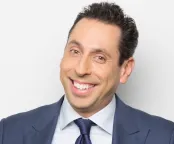
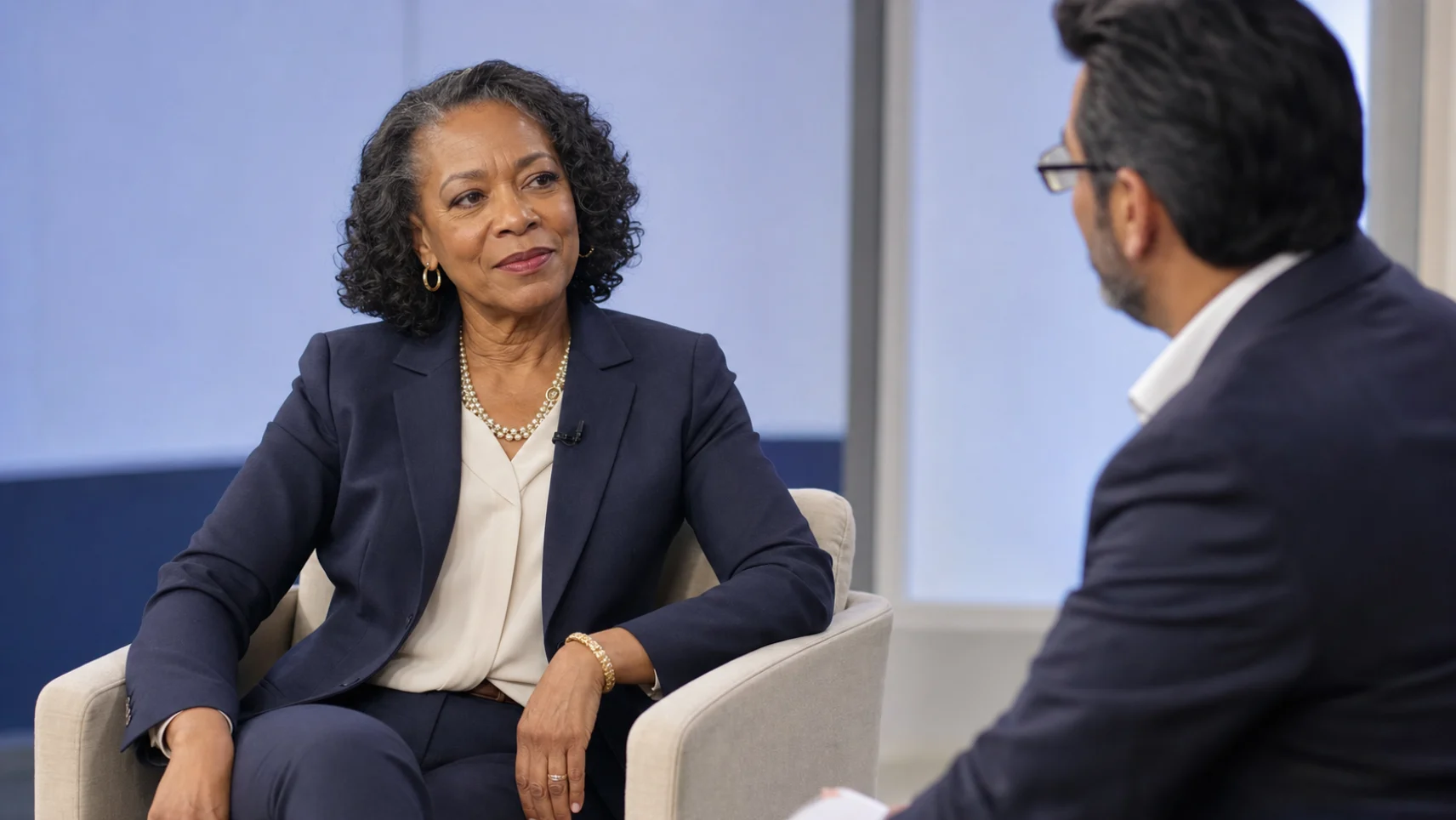
The proper TV smile is a small lift at the corners of the mouth, not a full grin and not a flat expression. Bring the sides of your mouth up just slightly, enough that you feel it a little in your cheeks. Use it while you are being introduced and while a question is being asked, and match your face to the question when the subject is grave.
Two ways to get it wrong
In the video I show the first one: a big, full smile. That is too much for a TV interview. The opposite is what you see all the time, a flat face and a "Hi, it is great to be here." That is also no good. Too much smile reads as forced. No smile at all reads as stiff and unwelcoming. Both cost you before you have made a point.
How to find the TV smile
Bring the sides of your mouth up just a little bit. You should feel it slightly in your cheeks. Then say your line: "Hi, great to be here." That is how you use the TV smile.
When to use it
- While you are being introduced. The camera is on you and you have not said a word yet. A flat face here sets the tone for the whole segment.
- While the question is being asked. The camera is often still on you while the host talks. A slight smile says you are present and interested, not waiting for your turn.
Match it to the question
Ideally you match the expression to what the person is saying. If they are asking a horrible question about people who died, your face should match that. The slight smile is for introductions and ordinary questions, not for a grave subject.
We want a range of human faces. Sometimes people are way too serious and way too stiff.
A serious topic does not require a permanently serious face. There are moments to lighten up, and a warm, real moment makes you more credible. What you want is a face that moves with the conversation, not one setting held through everything.
Check it on playback
Record yourself on your phone doing a mock introduction and a mock hard question back to back, and watch with the sound off. Look for stiffness, and look for a smile that stays put when the subject changes. Most people are surprised by what they see. If you want a second set of eyes before your next interview, get a quick quote and we will walk through it with you on camera.
Once your expression is right, make sure the rest of your body language matches it. Read where to look during a media interview and how to use emotion in a media interview next.