
Updated
Bureaus want a five to seven minute video with real audience reaction, a high-resolution headshot, your AV requirements, and a real bio, sent without a wall of text. Jennifer Shaw of Premium Speakers Bureau sends your materials straight to clients to propose you for a date, so what you submit has to work as a client-facing sales piece on its own.
Bureaus want a five to seven minute video, a high-resolution headshot, your AV requirements, and a real bio, sent without a wall of text. That is the practical answer, and Jennifer Shaw of Premium Speakers Bureau in Denver, Colorado gave it to me in more tactical detail than most speakers ever hear directly from someone on the other side of the desk. This is the companion piece to Speaker Agents vs. Speaker Bureaus, and it stays entirely in the tactical layer: what to actually send, and what kills your chances before anyone reads your bio.
Video first, and it is not close
"Video, video, video," Shaw said, and she was not being dramatic. It is the single thing a bureau leans on hardest, because whatever you send is what the bureau turns around and sends to a client to propose you for a date. Your video is not really addressed to the bureau. It is a sales tool the bureau is about to hand to somebody else on your behalf, so it has to work without you in the room to explain it.
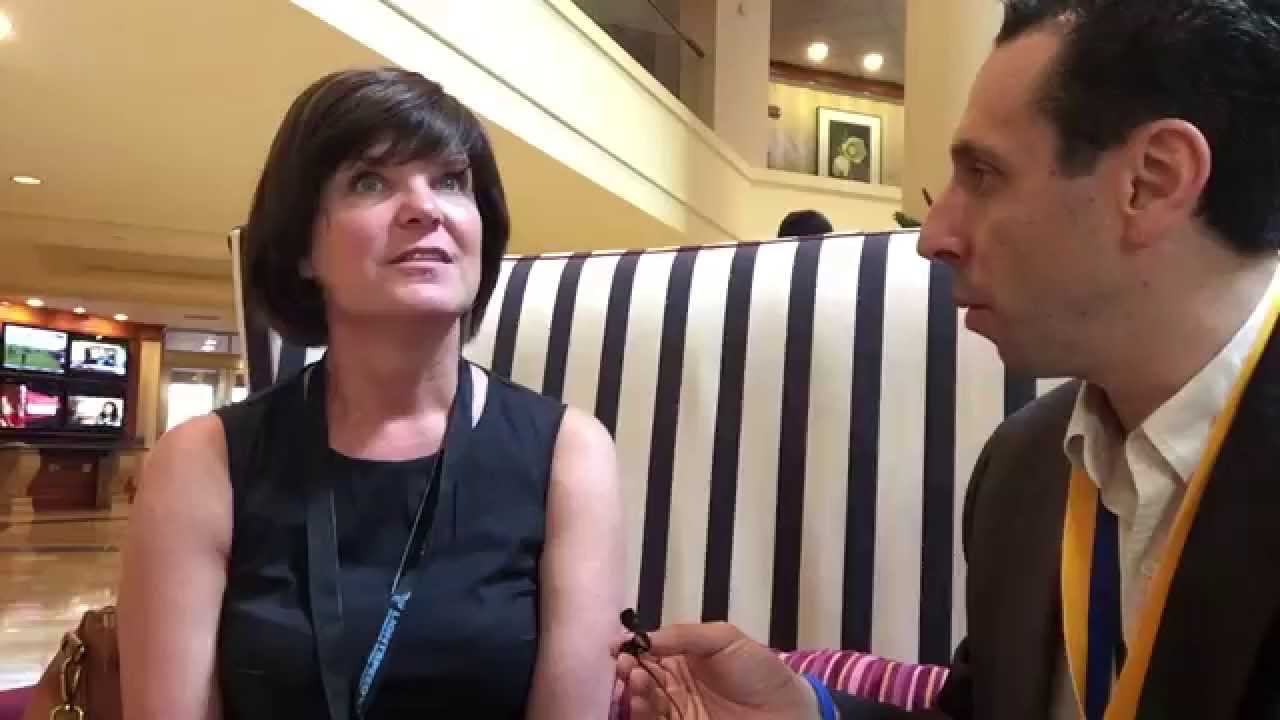
Watch: Jennifer Shaw on what bureaus want from you
What actually belongs in the video
- Length: five to seven minutes. Not twenty. Bureaus and clients are scanning fast.
- Audience cutaways. Shots of the room reacting, not just you on stage.
- An audience that is not bored. If the room looks flat, the clip works against you.
- Crowd interaction. Evidence you can move a room, not just talk at it.
- No empty seats. An emptier room in the footage reads as an emptier draw, whether or not that is fair.
The rest of the package
Beyond the video, Shaw's list is short and specific: a genuinely high-resolution headshot, not something pixelated and stretched from a website; your AV requirements spelled out plainly so a planner is not guessing; and a real bio, written for the audience that is going to hire you, not a recycled LinkedIn summary. And across all of it: no wall of text. Whatever you send has to be scannable in the time a busy bureau contact actually has.
How to stand out among hundreds, or thousands, of listed speakers
Bureaus have go-to people, speakers who make the bureau look good and who reliably generate spin-off business from happy clients. Getting into that group is not about being the loudest name on the list. It takes strong testimonials, a clear takeaway a planner can repeat back to their boss, and something genuinely different from everyone else on the roster.
Why bureaus want video testimonials specifically
Written testimonials are fine, Shaw said, but video is better, for the same reason your speaker reel matters more than your bio: a bureau can forward a video testimonial directly to a client who is on the fence, and the client hears someone else's confidence in you instead of just reading a pull-quote.
The gift strategy: an unusual way to earn an agent's attention
One of the most specific, useful tactics across all three interviews came from Christa Haberstock of SeeAgency, not from a bureau at all, and it applies just as well to earning a bureau's attention as an agent's. She calls it gifting the business. If you have a booking you are about to close, one you already have real trust with that client on, you can hand the booking itself to the agent or bureau contact you actually want a relationship with, instead of closing it yourself.
The agent gets a booking and a new client. You get their attention in a way no cold email ever earns. Haberstock's caveat matters as much as the tactic itself: this only works if you already have a strong enough relationship with that client to hand them over in the first place. It is a trust move, not a stunt, and it only works once you actually have something real to give away.
What kills your chances before anyone reads your bio
Haberstock is blunt about what does not work: showing up with no recommendation at all. "You've never heard of me, I've been speaking for five minutes, if only somebody could hear me" is not a pitch, it is a request for charity. The cold email is worse. She described the version she gets constantly: it opens "Dear Christa, I am an author, please look at my link," and signs off with nothing else. She says she is "consistently dumbfounded that they think this would ever work."
How new talent actually arrives, in her experience, is reputation and referral: a personal recommendation from someone the agent or bureau already trusts. That single fact should change where you spend your time before you spend it writing another cold email.
Want Jess's Paid Speaker Blueprint?
The full playbook for the speech, the marketing, and the materials that get you booked. Drop your email and we will take you to paidspeakerblueprint.com.
Key excerpts from the interview
Lightly cleaned excerpts from the recorded interviews behind this article, mostly Jennifer Shaw's, with the relevant Christa Haberstock material on cold outreach folded in. Paraphrased for readability, with direct quotes marked.
On the video that actually works (Jennifer Shaw)
Do not send a long wall of text. Video is the key material, because it is what the bureau sends to clients to propose you. It should run five to seven minutes, not twenty, and needs audience cutaways, crowd interaction, and no empty seats.
On the rest of the submission (Jennifer Shaw)
A high-resolution headshot, not pixelated. Your AV requirements, stated plainly. A good bio. Testimonials, ideally on video specifically, because the bureau can forward video clips straight to a client.
On standing out on a roster of hundreds or thousands (Jennifer Shaw)
Bureaus have go-to people who make them look good and generate spin-off business. To become one, you need strong testimonials, a clear takeaway, and something genuinely different from everyone else on the list.
On what does not work (Christa Haberstock)
Cold emails that open "Dear Christa, I am an author, please look at my link," with no recommendation attached, do not work. Haberstock says she is consistently dumbfounded that people think this approach would succeed. New talent arrives through reputation and referral instead.