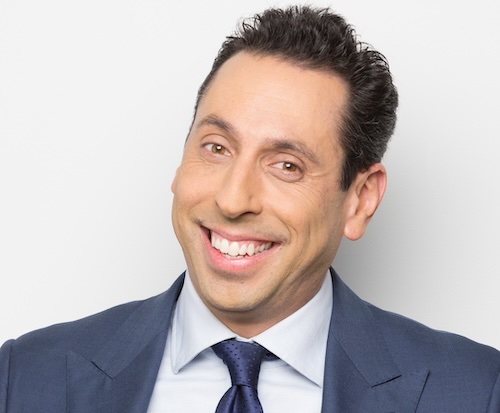
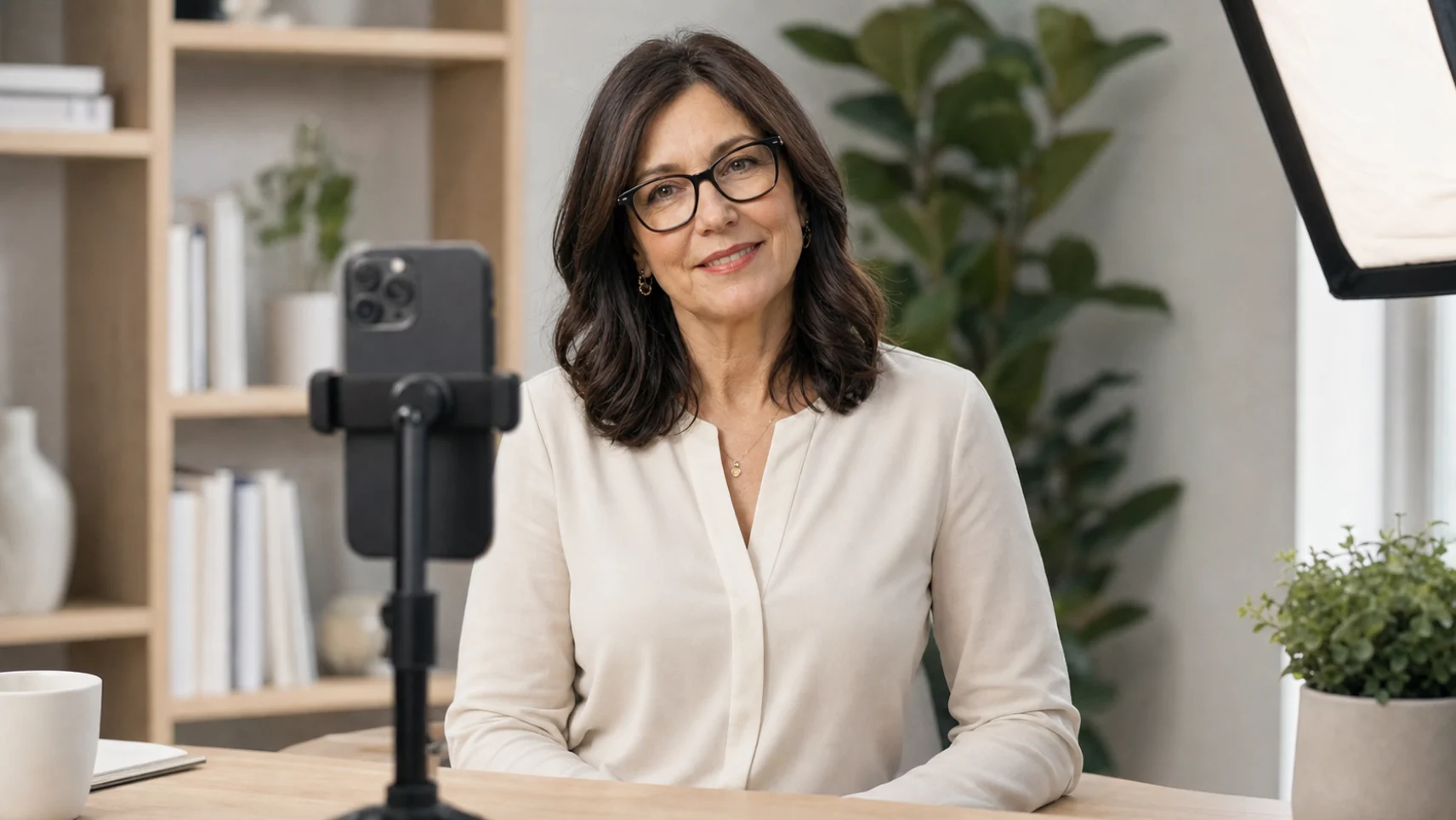
To make professional videos with your phone, you need four things: the phone locked on a tripod, an external microphone built for it, light on your face, and a reason for the audience to watch. That is the whole kit. I spent years as a producer at ABC, NBC, and Fox deciding which experts got airtime, and the camera in your pocket now shoots a better picture than the gear I used to send out on assignment.
What changed is not the technology. It is who gets to decide whether you are worth hearing from. For most of my career that was a producer, and the answer was usually no. Today you can publish the segment yourself, and the same producers will find it.
Why this matters (and what most executives get wrong)
Media training used to be entirely about the other person in the room: how to handle the reporter, how to survive the tough question, how to get your message past the edit. That skill still matters. But it assumes someone invited you, and most executives spend years waiting for an invitation that never comes.
The mistake is treating owned video as a lesser version of a television hit. It is not. It is the audition recording, the proof of expertise, and the distribution channel all at once. Producers, conference organizers, and buyers all check what you have published before they decide whether to book you.
You no longer have to get through the media to reach your audience. You can be the media, and then the media comes to you.
The 5-step way to make professional videos with your phone
None of this requires a studio. It requires stopping four specific things that make good footage look amateur.
1. Put the phone on a tripod and stop hand holding it
A handheld shot reads as casual no matter how good your content is. Get a small tripod and a phone holder, the kind that screws onto the top like the head of a selfie stick, and set the lens at your eye level. A locked, level frame at eye height is most of what people mean when they say a video looks professional.
2. Add a microphone made for your phone
This is the step people skip, and it is the one that matters most. Viewers forgive a soft picture and quit instantly on bad sound. Search your phone model plus the word microphone, buy one built for that connector, and clip it on. Nothing else on this list buys you as much credibility per dollar.
3. Light your face, and let outdoors do the work
You do not need a lighting kit. Face a window, or shoot outside where the light is soft and even, and keep the bright source in front of you rather than behind. A face that is clearly lit reads as confident. A face in shadow reads as hiding, whatever you are actually saying.
4. Choose a real setting over a bad fake one
I shoot plenty of video on a green screen with a background dropped in behind me, and it looks polished. It is also unnecessary. A real office, a real hallway, a real street outside your building gives the audience a genuine sense of place that a mediocre virtual background destroys. Production value is not the goal. Believability is.
5. Publish where your audience already is
Shooting is the easy half. Put the video on YouTube so it is searchable, on the social platform where your buyers actually spend time, and in your email to the people who already know you. Go live occasionally so the audience sees you unedited. A video nobody can find is a rehearsal, not a channel.
The mistake most executives make
The pattern I see constantly: an executive spends weeks agonizing over camera quality and background design, then records with the phone's built in microphone from across the room and wonders why the result feels cheap. Audio is the tell. Fix sound first, light second, and camera last, which is the exact reverse of how most people shop.
The second mistake is waiting for perfect. The value of owned video comes from publishing consistently in a format your audience recognizes, not from one flawless production you spend a quarter building.
Case study: the expert who stopped waiting to be booked
Here is a composite from work I have done, generalized so no one is identifiable. A subject matter expert at a mid sized professional association had solid credentials and no media presence. Every pitch her communications team sent went unanswered. Rather than keep pitching, she started recording a short video each week at her desk, facing a window, with a clip on microphone and her phone on a small tripod. Same expertise, finally visible.
Within a few months a trade reporter who had never returned an email used one of her clips as the starting point for an interview request. The videos had done the qualifying for her. She did not become a better expert that quarter. She became a findable one.
This has happened with many clients.
Producers do not book people they have never seen speak. Give them something to watch.
Phone video: instinct versus what actually matters
| Element | Common instinct | What actually matters |
|---|---|---|
| Camera | Buy a better one | The phone you own, on a tripod at eye level |
| Audio | Use the built in mic | An external mic made for your phone |
| Lighting | Buy a light kit | A window or outdoor light in front of you |
| Background | Green screen and virtual set | A real place that fits who you are |
| Distribution | Post it and hope | YouTube, one social channel, your email list |
What to do next
Pick one question your clients ask you every week and answer it on camera this week, tripod up, microphone on, window in front of you. Then do it again next week. If you want the on camera delivery to match the production, start with on camera training for subject matter experts and how to control your voice on camera. When you are ready to build a real owned video habit with coaching behind it, get a quick quote and we will build it around your calendar.