Updated October 2026
Media training for thought leaders is not only for beginners. Ruth Klein, a brand strategist and TV host who has done a lot of media, came to New York for my media training and found that even an expert can learn something to put into action. Her verdict: one good idea you use is worth its weight in gold.
How do celebrities build a brand, and what can an expert borrow?
For more than fifteen years I was part of an event where experts and business leaders came to brand themselves the way a celebrity would. These are the strategies I taught there, and they are the same ones I use with thought leaders now.
- Be visible. A celebrity makes sure people can find them and keep seeing them.
- Create some intrigue. Give people a reason to want to know more.
- Connect emotionally. Tell a story about your life or your background, not just your credentials.
- Show up in interesting places. Photographs at interesting locations, wearing different clothes.
- Get interviewed. Video of you answering questions on your area of expertise, where other people are giving you a platform.
- Keep your materials top level. Your photographs should not look like they were taken with an iPhone.
- Capture real video. Multiple cameras, at an event full of people who look like your ideal client.
A word on those last two, because this is where a lot of experts are tempted to cut corners. These days it is easy to have AI create a version of you. You may not think it looks like AI slop, but some people in your audience can detect that something is not real, and that erodes trust.
Video has the same problem. More and more people use AI to manufacture speaker videos that look fake. Being videotaped with multiple cameras at a polished event, in front of people like your ideal client, resonates with them as excellence.
Why would a visibility expert take media training?
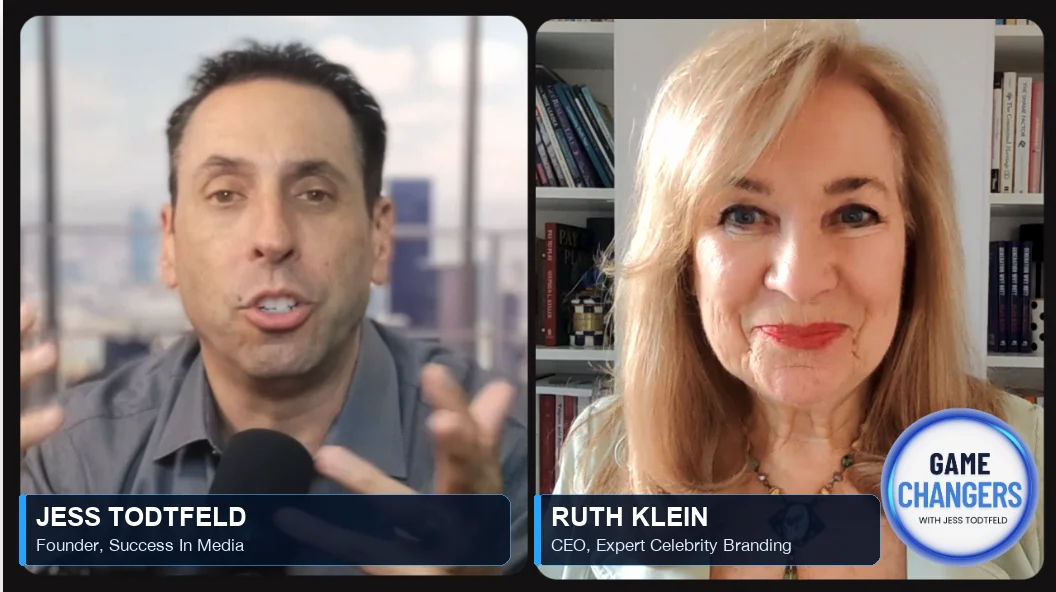
Ruth Klein helps other people brand themselves this way. She is the CEO of Expert Celebrity Branding, she hosts The Book Club with Ruth Klein, and she has done plenty of media herself. And she was still willing to have somebody like me help her, because she knew she would walk away with extra value.
Ruth came to New York in 2025 for a program where I taught media training. The work covered the basics that never stop mattering: getting your messaging down, handling questions, and beginning with the end in mind, which means deciding what you want people to do as a result before the interview starts.
This is what experienced people tend to miss. When you have done a hundred interviews, habits that used to be automatic quietly stop happening, and an outside eye catches them. Ruth called it a great refresher course. Her takeaway is the one I hear least from experts and value most: even an expert can learn something that can be put into action.
Hear it from Ruth
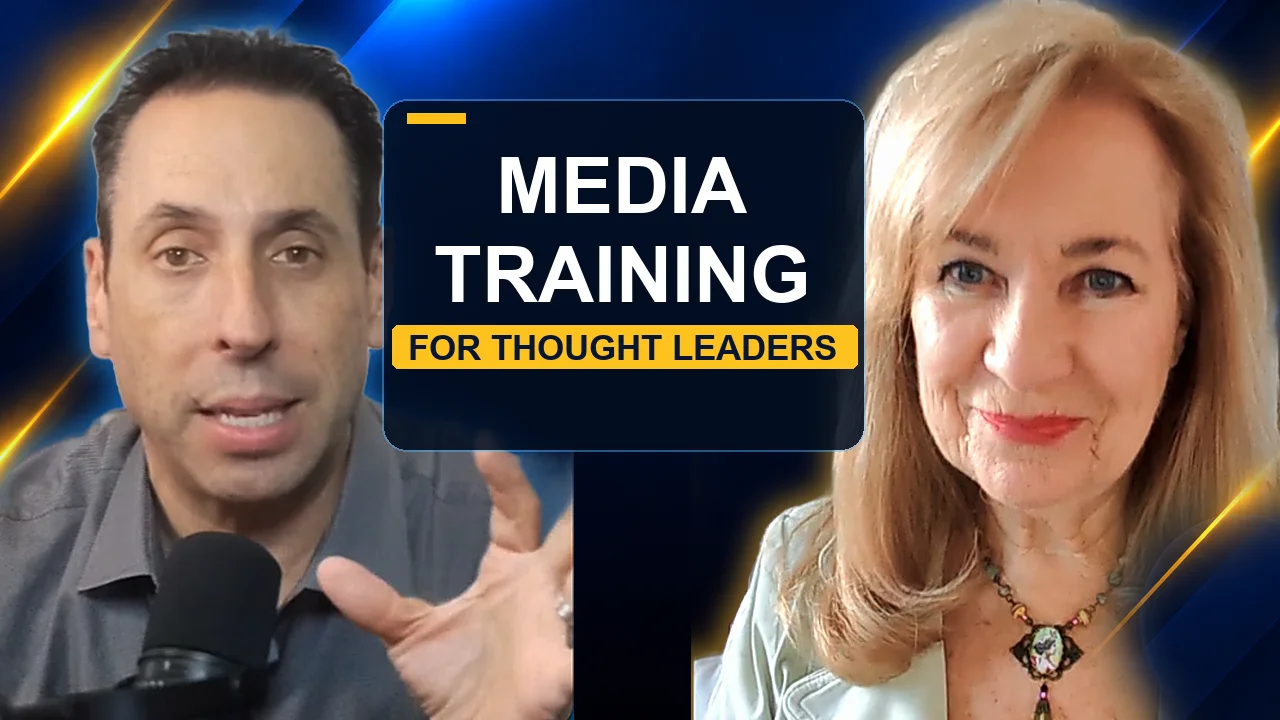
Ruth Klein on what media training with Jess Todtfeld was worth.
What makes a media trainer worth hiring?
Ruth said something about how I work that I think is the right test for anyone you are considering.
I take that as the job. I do not see a workshop as a block of time. I see real human beings I am helping to achieve their goals, and you cannot do that from a script about who you assume they are. You start with the conversation and find out where they are.
Does media training still help if you already have a lot of experience?
Yes, and Ruth's reason is the practical one. She told our viewers she would be remiss if she did not say it: she thinks everyone needs media training.
Notice the standard she sets. It is not a transformation. It is one good idea you actually use. For someone who is already visible, that is usually what is missing: not a new personality, but one or two moves you stopped making.
Begin with the end in mind. Ask yourself: what do I want people to do as a result? Answer that first and the rest of your preparation gets easier.
What happens after the training ends?
Ruth and I kept in touch, and I have been able to give her other advice and direction that only comes from building relationships with people. I think that is one of the best byproducts of my workshops. People like that become lifelong friends and colleagues.
Her side of the same conversation, on how thought leaders get visible, is here.
What should a thought leader do first?
If you are building visibility and wondering where media training fits, this is the order I would use.
- Decide what you want people to do. Set the outcome before the interview, not after.
- Audit your photos and video. Real, well shot, and not something an AI made up.
- Get recorded properly. Multiple cameras at an event full of your right-fit audience.
- Get interviewed. By people who will give you a platform on your topic.
- Book a refresher before the big one. Even if you have done a lot of media. Especially then.
If you want the same work for yourself, the starting points are media training for experts, media training for authors and executive media training.
Ruth Klein is CEO of Expert Celebrity Branding, a thought leadership visibility strategist, master book coach and host of The Book Club with Ruth Klein. Quotes in this case study are from a recorded video interview with Jess Todtfeld.