The Podcast Hosting Checklist
How to prepare, how to run the interview, and what to do before anyone closes the tab.
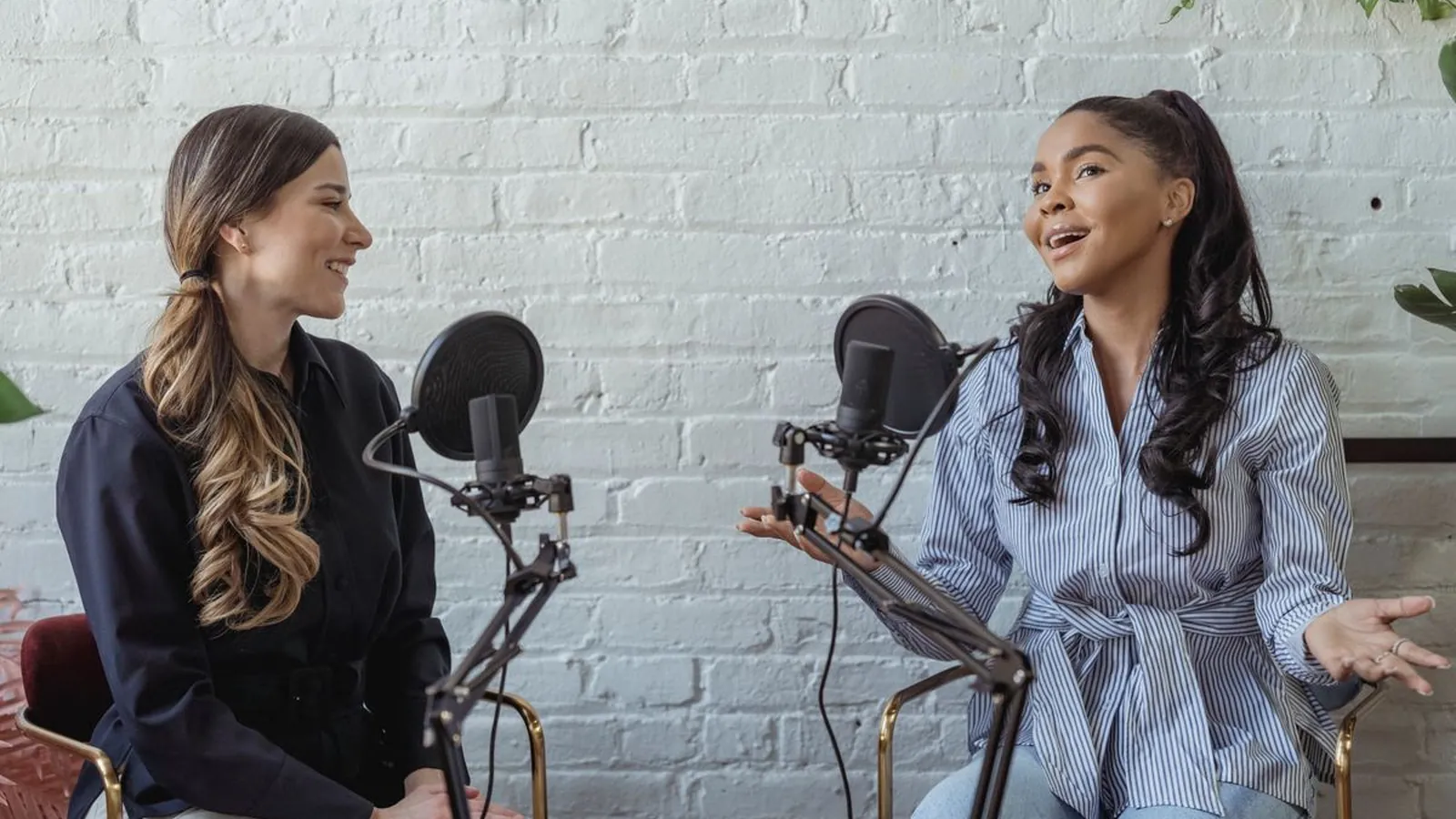
To host a podcast interview well: brief the guest with format, platform and suggested questions before the day, research what they have already said, and write a question arc rather than a list. On the day, record locally with a backup running, warm up off record for five minutes, ask one question at a time, and confirm the files uploaded before anyone leaves.
A good interview is mostly decided before anyone hits record. The guest who arrives relaxed, briefed and clear about the format gives you better material than the same guest arriving cold.
This checklist covers the parts that are actually yours to control: how you book and brief, how you build a question arc instead of a list, how you set up on the day, and the file check at the end that experienced hosts never skip because they have each lost an interview once.
Booking the guest
0 of 7The week before
0 of 6Setting up on the day
0 of 7Running the interview
0 of 9Before anyone leaves
0 of 5After it publishes
0 of 4Common questions
How do you prepare to interview a podcast guest?
Read, watch or listen to at least two things they have already done so you avoid the questions they are tired of. Then write a question arc rather than a list: a wide opening, one deep dive, a turn, and a close you have written out in full. Decide the single thing you want the audience to leave with.
Should you send podcast questions to guests in advance?
Yes, framed as suggested questions. As a former television producer I can tell you that suggested questions get used heavily and required questions get ignored, because a host who is told what they must ask will push back. Sending them also lets a nervous guest prepare, which produces better material.
How do you make a nervous podcast guest relax?
Spend five minutes off record talking about anything, then tell them you can edit and mean it. Confirm on the recording how to say their name. If a good answer gets ruined by a noise, ask for it again immediately rather than saving it for the edit, which teaches them that mistakes are survivable.
What is the biggest mistake podcast hosts make?
Marching through prepared questions while the guest is standing next to something far more interesting. Preparation exists so you can afford to leave the list. The second biggest is not starting an independent backup recording.
What should you do at the end of a podcast recording?
Do not let the guest close the tab until the local files have finished uploading, and check you have every track separately rather than one mixed file. Tell them roughly when it publishes, ask whether there is anything they want cut, and back the files up somewhere other than the recording machine the same day.
The best question is almost never the next one on your list
The most common hosting mistake is marching through prepared questions while the guest is standing next to something far more interesting. Preparation exists so you can afford to leave the list, not so you can follow it.
Write the arc, know your close, then listen hard enough that you can throw away the middle.
Being on the show is the easy part
Success in Media prepares executives, authors and founders for the interview itself: the stories, the structure, the calls to action, and the practice that makes it land. Jess Todtfeld is a former ABC, NBC and Fox television producer with 13 years behind the desk deciding who was worth booking.
Get DetailsLast reviewed September 2026. Approximate street prices in USD, checked September 2026. Prices move. Treat these as a range, not a quote.
Booking the guest
- Check they have done interviews before, or plan to spend more time warming them up.
- Send one invitation with everything in it: date, time with time zone, length, platform, video or audio.
- Say clearly whether it is live or recorded. It changes how a guest prepares.
- Ask for a bio, a headshot, links and the pronunciation of their name.
- Send suggested questions, and say they are suggested. A guest who is told they must use a list will fight it. Producers use a lot of suggested questions and almost none of the required ones.
- Send the platform link early and ask them to click it once, the day before.
- Tell them to wear wired headphones. Say it twice.
The week before
- Read, watch or listen to at least two things the guest has already done, so you do not ask what they are tired of answering.
- Write a question arc rather than a list: open wide, go deep on one thing, turn, then close.
- Decide the one thing you want your audience to walk away with.
- Write the first question and the last question out in full. The middle can breathe.
- Find the moment you actually want: the story, the disagreement, the number that surprises people.
- Prepare a short, warm introduction that gives the guest authority without reading their entire resume.
Setting up on the day
- Start the platform 20 minutes early and check your own levels first.
- Confirm local recording is on, so the good files are captured on each device.
- Start a second, independent backup recording. Every experienced host has lost one.
- Check headroom: peaks well short of the top, not touching it.
- Check the lighting and the framing on camera, not just in the preview.
- Silence phones, notifications and anything on the same desk that hums.
- Have water for yourself and, if in person, for the guest.
Running the interview
- Spend five minutes off record talking about anything. It is the cheapest quality upgrade there is.
- Tell them you can edit, and mean it. It visibly relaxes people.
- Confirm on the recording how to say their name and title.
- Ask one question at a time. Two-part questions get half answers.
- Follow the interesting thing rather than marching through your list.
- Let silence sit for two seconds. Guests fill it with the best material.
- Watch their levels and eye line through the session, not just at the start.
- If a great answer is ruined by a noise, ask for it again right then. Do not save it for the edit.
- Give the guest a clear close: what should the audience do, and where should they go.
Before anyone leaves
- Confirm the local files finished uploading. Do not let the guest close the tab until the progress bar is done.
- Check that you have every track separately, not just the mixed one.
- Tell them roughly when it publishes and what you will send.
- Ask if there is anything they want cut. It costs nothing and buys enormous goodwill.
- Back the files up somewhere that is not the recording machine, the same day.
After it publishes
- Send the guest the live link, a couple of clips and a caption they can paste.
- Make it effortless for them to share. Most guests want to and simply do not get around to it.
- Turn the transcript into a written piece for your own site.
- Note what you would ask differently next time while it is still fresh.